The Butterfly Effect of Pop Culture: How a 7th-Century Buddhist Monk Led Directly to Keanu Reeves voicing Shadow the Hedgehog
Executive Overview
History rarely moves in a straight line; instead, it unfolds through an intricate web of cultural diffusion, artistic adaptation, and technological evolution. In the realm of entertainment, the causal chains linking historical milestones to modern pop culture phenomena can often stretch across centuries, bridging ancient religious pilgrimage with contemporary video games and blockbuster cinema.
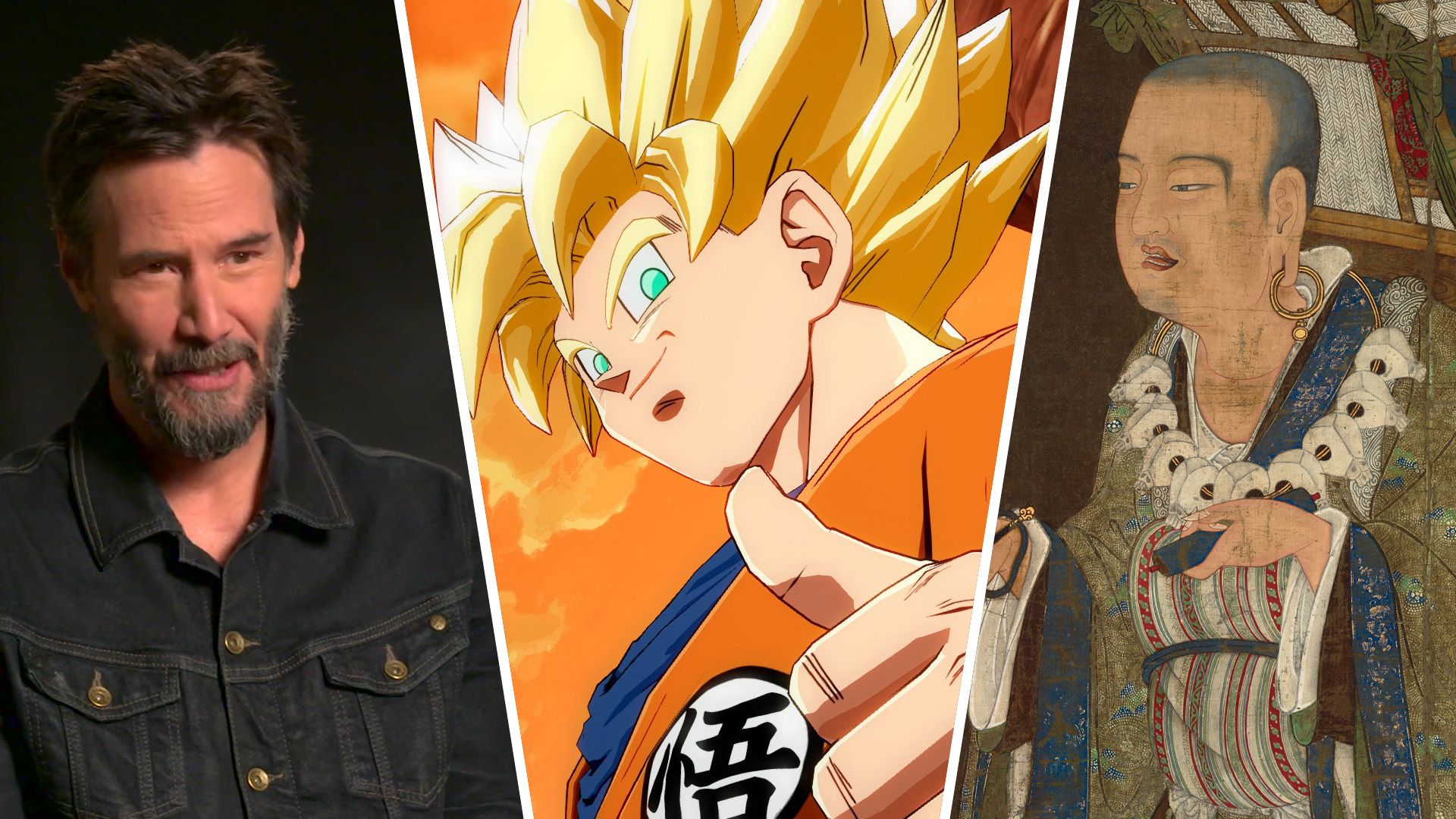
A prime example of this phenomenon is an unexpected historical trajectory that connects a 7th-century Chinese Buddhist monk’s arduous journey to India with Hollywood icon Keanu Reeves voicing the brooding antihero Shadow the Hedgehog in Paramount’s Sonic the Hedgehog 3.
While seemingly absurd at first glance, this "causality chain" is a documented sequence of historical documentation, classical Chinese literature, Japanese manga innovation, and SEGA’s 1990s character design choices. By tracing this lineage step-by-step, analysts and pop-culture historians can observe how a foundational text on ancient Asian geography ultimately catalyzed the visual iconography of the modern video game industry—and how that iconography eventually looped back to land one of Hollywood’s most bankable stars in a multi-billion-dollar franchise.
Detailed Chronology: From the Silk Road to the Silver Screen
The path from ancient geopolitical and religious exploration to modern CGI blockbusters spans more than 1,400 years. To understand how Keanu Reeves entered the Sonic cinematic universe, one must unspool a timeline marked by monumental shifts in literature, art, and game development.
1. The Foundational Text (620s–645 AD)
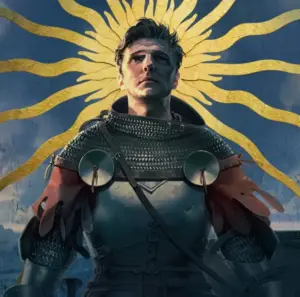
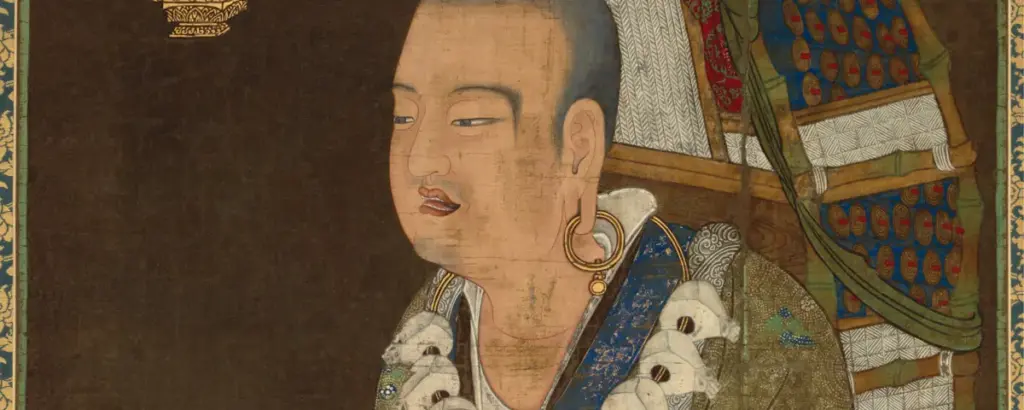
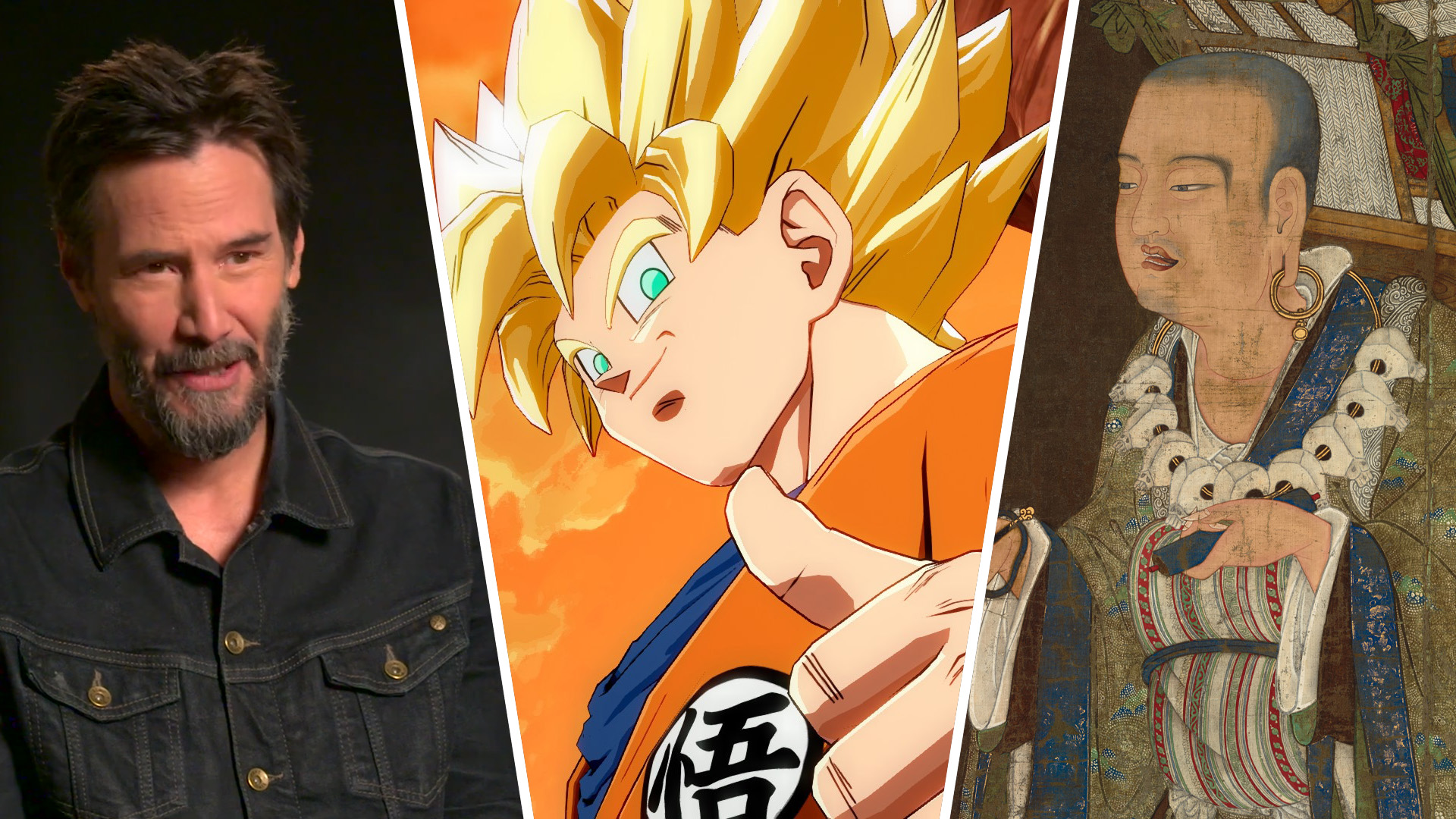
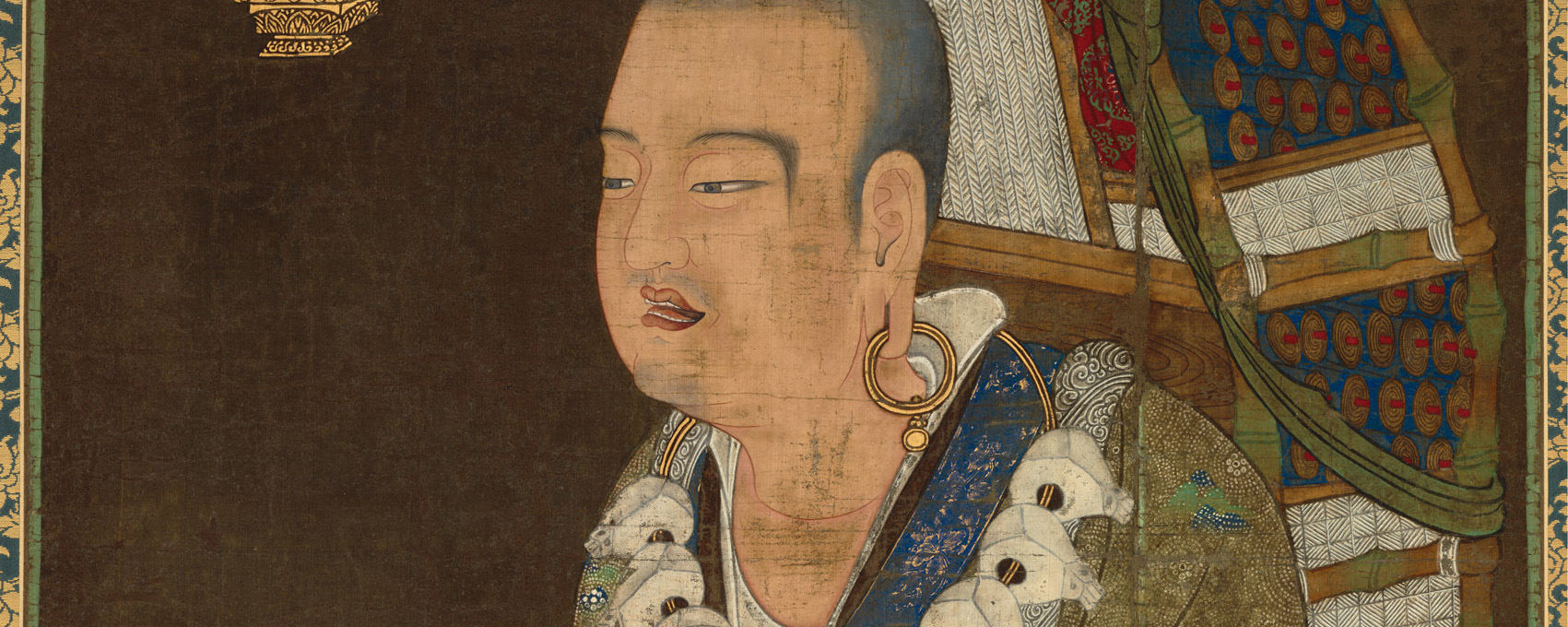
Around 627 AD, during the early Tang Dynasty, the Chinese Buddhist monk Xuanzang defied an imperial travel ban and embarked on a perilous 17-year pilgrimage along the Silk Road to India. His mission was to acquire authentic Sanskrit Buddhist texts (sutras) to bring back to China and translate into Chinese, ensuring a more accurate understanding of Buddhist philosophy.
Xuanzang returned in 645 AD with hundreds of sacred manuscripts, spending the remainder of his life translating them. Shortly after his return, one of his disciples compiled and published the Great Tang Records on the Western Regions (Da Tang Xi Yu Ji), a detailed geographical and cultural account of Xuanzang’s travels across Central and South Asia. This historical travelogue laid the groundwork for centuries of myth-making, transforming a scholarly and religious mission into the stuff of legend.
2. A Legendary Journey (Late 16th Century)
Over the next thousand years, Xuanzang’s historic journey transcended historical fact, embedding itself deeply into Chinese oral traditions and folklore. By the late 16th century—during the Ming Dynasty—these stories coalesced into one of the Four Great Classical Novels of Chinese literature: Journey to the West (Xiyouji), authored anonymously or attributed to Wu Cheng’en.
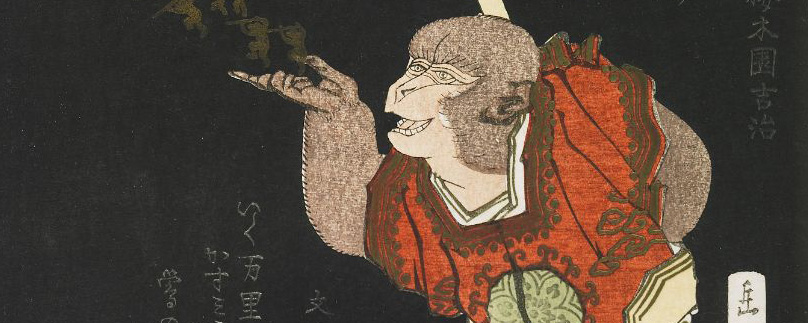
The novel fictionalized Xuanzang’s pilgrimage (renaming the monk Tang Sanzang) and introduced a pantheon of fantastical companions, most notably Sun Wukong, the Monkey King. Endowed with supernatural powers, immense strength, and a rebellious streak against heavenly authorities, Sun Wukong became an archetype of the unstoppable, defiant warrior-hero in East Asian storytelling.
3. From the West to the East (1984)
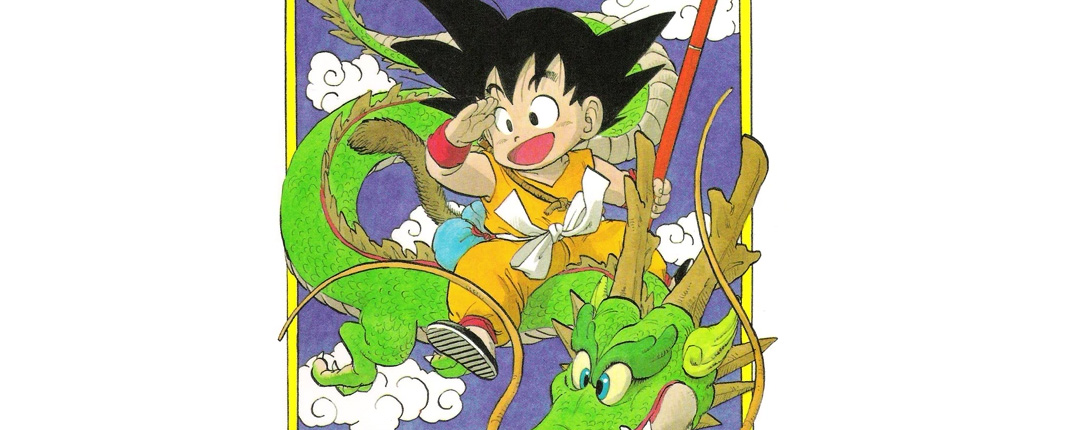
Fast-forwarding to the 20th century, Japanese manga creator Akira Toriyama sought a concept for his next major serial following the conclusion of his hit comedy manga Dr. Slump. Looking for a narrative framework rich in action and imbued with "Chinese scenery," Toriyama turned directly to Journey to the West.
In a 1995 interview, Toriyama reflected on his creative process, noting, "I thought it would be easy if that story served as the basis, since all I would have to do would be to arrange things." Toriyama adapted Sun Wukong into his protagonist, Son Goku, retaining the character’s monkey-like tail, magical staff, and indomitable spirit, thereby planting the seeds for what would become Dragon Ball.
4. The Super Moment (1991)
As Dragon Ball evolved from a lighthearted adventure into a high-stakes martial arts battle manga, Toriyama faced severe production pressures regarding weekly deadlines. To streamline his workflow, he introduced a dramatic power-up transformation known as the "Super Saiyan."
When Goku unlocked this state, his hair stood on end and turned golden, accompanied by a blazing energetic aura. Toriyama made a pragmatic artistic choice: by turning Goku’s hair blonde instead of black, his assistants spent significantly less time inking the character’s hair panels every week. Little did Toriyama know, this deadline-induced shortcut would permanently alter the visual language of video game design.

5. Sonic’s Power-Up Looks Mighty Familiar (1992)
Capitalizing on the runaway success of 1991’s Sonic the Hedgehog, SEGA’s Sonic Team developed Sonic the Hedgehog 2, released in November 1992. Seeking a mechanical and visual reward for players who collected all seven Chaos Emeralds, the developers introduced "Super Sonic."
Transforming into a golden-hued, quills-bristling variant of the blue blur, Super Sonic bore an unmistakable resemblance to Akira Toriyama’s Super Saiyan Goku. This direct cross-pollination between manga tradition and platformer game design established a permanent trope within the franchise: ultimate power is visually communicated through a golden transformation.
6. Sonic Needs a Shadow (2001)
As the Sonic franchise expanded into 3D environments, Sonic Team recognized the need for a rival who could match the hedgehog’s speed while offering a darker, more complex thematic contrast. Released in 2001 for the Sega Dreamcast, Sonic Adventure 2 introduced Shadow the Hedgehog—proclaimed in-universe as the "Ultimate Lifeform."
Designed with crimson-streaked black quills, anti-hero sensibilities, and an edgy disposition, Shadow was engineered to be the ideological antithesis to Sonic. Over the ensuing two decades, Shadow evolved into a fan-favorite pillar of the franchise, known for his tragic backstory, military firearms usage, and unapologetic attitude toward rules.
7. Keanu is the Ultimate Lifeform? (2024)
The causal chain reaches its culmination in the modern media landscape. For the production of Sonic the Hedgehog 3 (2024), Paramount Pictures cast veteran actor Keanu Reeves—globally renowned for his roles in The Matrix, John Wick, and Bill & Ted—to voice Shadow the Hedgehog.
During promotional interviews for the film, Reeves leaned fully into his role as the brooding ultimate lifeform. In a moment that immediately went viral across social media and gaming forums, Reeves looked an interviewer dead in the eye and deadpanned that he, whether as a human action star or the voice of a CGI hedgehog, could decisively defeat Sonic the Hedgehog in a fight.
Supporting Context & Metrics: The Scale of Cultural Impact
To fully appreciate this 1,400-year causal chain, it is essential to examine the massive cultural and financial footprints left by each node in the sequence:
- Literary Endurance: Journey to the West remains one of the most widely adapted texts in human history, inspiring hundreds of television shows, feature films, stage plays, and video games globally (including recent hits like Black Myth: Wukong).
- The Dragon Ball Empire: Akira Toriyama’s creation grew into a multi-billion-dollar global franchise encompassing manga, anime series, theatrical films, and multi-platform video games, generating tens of billions of dollars in lifetime retail revenue.
- SEGA’s Blue Mascot: The Sonic the Hedgehog franchise has sold over 1.6 billion copies and downloads across physical and digital storefronts, anchoring SEGA’s identity as a premier global entertainment provider.
- Cinematic Box Office: Paramount’s live-action/animation Sonic the Hedgehog cinematic universe has proven to be a massive box office success, with the first two films grossing nearly $800 million combined worldwide, setting high expectations for the third installment featuring Reeves.
Official Statements & Industry Perspectives
Industry observers and creators have long marveled at how pop culture traditions interlock across generations. While historical figures like Xuanzang could not have anticipated the emergence of interactive entertainment, contemporary creators frequently acknowledge the interconnected nature of media inspiration.
In retrospective interviews regarding the creation of Dragon Ball, Akira Toriyama frequently emphasized how borrowing from classic folklore liberated his creative process, allowing him to focus on pacing and dynamic action choreography. Similarly, SEGA developers have historically cited anime influences—particularly Dragon Ball Z—as vital touchstones when brainstorming how to translate high-speed momentum into visual spectacle.

Regarding his casting in Sonic the Hedgehog 3, Paramount executives and the film’s creative team noted that Keanu Reeves brought an innate gravity to Shadow the Hedgehog. Director Jeff Fowler remarked that Reeves’ experience portraying complex, morally ambiguous action heroes made him the definitive choice to voice a character defined by trauma, power, and redemption.
Future Outlook: The Evolution of Causal Chains in Entertainment
As digital media continues to accelerate, the velocity at which history influences modern entertainment is increasing. Franchises are no longer isolated products of their immediate eras; instead, they represent centuries of accumulated artistic heritage, folklore, and technological iteration.
The convergence of a 7th-century Buddhist monk’s pilgrimage manuscript with a 21st-century Hollywood action star voicing a genetically engineered hedgehog demonstrates that nothing in culture is created in a vacuum. As future video game adaptations, AI-driven storytelling, and cross-media collaborations expand, the underlying lineages connecting ancient history to tomorrow’s blockbusters will only grow richer and more surprising.

For now, audiences can look toward the release of Sonic the Hedgehog 3 with a newfound appreciation for historical irony: every time Keanu Reeves delivers a line as Shadow the Hedgehog, he is directly participating in a 1,400-year legacy born from a monk walking westward across the sands of Asia. Whoa.