The Cool Quest for Stolen Frost: An In-Depth Investigative Preview of Spiny & Chilly
Executive Overview
In an era dominated by hyper-realistic graphics, sprawling multiplayer live-service models, and gritty cinematic narratives, the indie gaming scene continues to serve as an essential sanctuary for pure, unadulterated whimsy. Enter Spiny & Chilly, an upcoming platforming exploration game developed by a passionate independent creator that refuses to take itself too seriously while still delivering robust, mechanically satisfying gameplay.
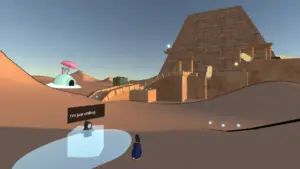
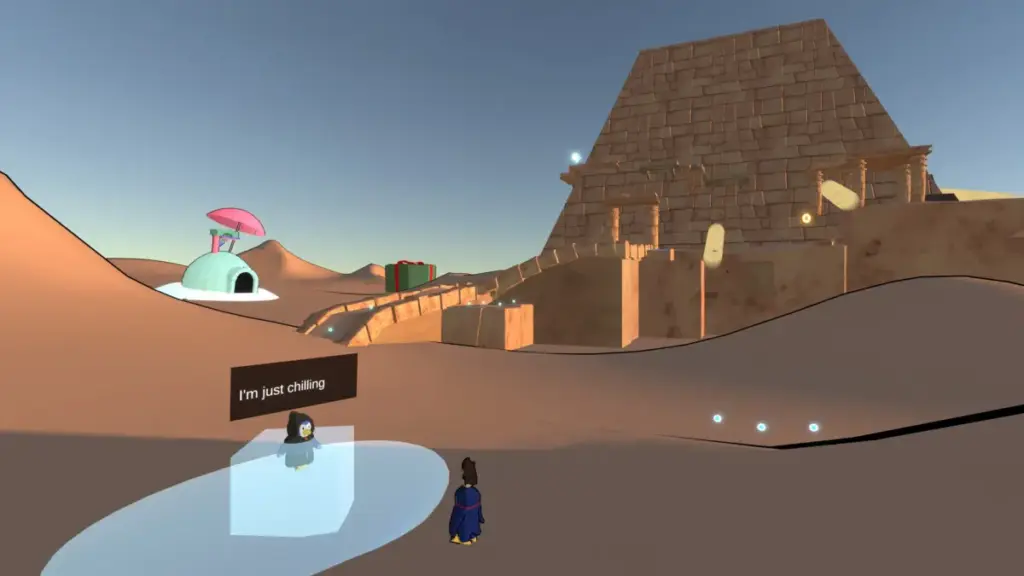
At its core, Spiny & Chilly introduces players to an unforgettable, highly unconventional duo: a freezing-obsessed penguin named Chilly and his prickly hedgehog companion, Spiny, who hitches a ride atop his feathered friend’s head. Together, this single-player cooperative-style unit must navigate a vibrant, expansive world on a singular, urgent mission: reclaiming all the stolen ice blocks that have been selfishly hoarded by rogue penguins across the realm.
Drawn from hands-on previews at the prestigious BIG Conference (Bilbao Games Conference), this title channels the golden-age nostalgia of 3D collectathon masterworks like Banjo-Kazooie and Super Mario 64. Yet, it weaves in modern design sensibilities, including gravity-shifting physics, environmental puzzle-solving, and whimsical world-building.
While the game is still deep in its development cycle, early builds showcase immense potential. From imaginative biomes—such as haunted harbors and dizzying floating islands—to a finely tuned movement system that rewards mastery, Spiny & Chilly is shaping up to be a standout indie title. For players looking to wishlist the game, the official Steam Page provides an early gateway into this frosty escapade. This comprehensive preview explores the game’s genesis, mechanics, design philosophy, and what the future holds for this prickly-and-plump partnership.
Detailed Chronology: From Concept to the BIG Conference Floor
The journey of Spiny & Chilly is a testament to the tenacity of independent game development. While AAA studios often rely on massive workforces and years of pre-production red tape, Spiny & Chilly began as a focused labor of love by an independent developer driven by a singular vision: to revive the joyful, exploratory spirit of late-90s platformers while injecting fresh, quirky character dynamics.
The Conceptualization Phase
The core concept of Spiny & Chilly was born out of a desire to subvert traditional mascot platformer tropes. Rather than designing a lone hero who runs, jumps, and attacks, the developer envisioned a symbiotic relationship. Chilly, the penguin, provides the bulk, the sliding momentum, and the insatiable appetite for ice. Spiny, the hedgehog, acts as a tactical asset, a visual counterweight, and a source of dry commentary on their absurd predicament.
The narrative catalyst—rogue penguins stealing all the world’s ice—is deliberately lighthearted. It establishes an immediate, easily understood objective that recalls classic gaming tropes without bogging the player down in exposition. The developer spent months refining the physics engine to ensure that controlling a penguin with a hedgehog perched on its head felt unified rather than disjointed, establishing the single-player mechanic where both characters move and react as a singular, cohesive entity.
The Public Debut at the BIG Conference
The milestone moment for Spiny & Chilly arrived on the showroom floor of the BIG Conference, an event celebrated for spotlighting innovative and daring indie titles. Attendees and critics were treated to an early playable demo that offered a vertical slice of the game’s opening biomes.
Surrounded by vibrant promotional art and an infectious developer enthusiasm, players queued up to test the unique momentum-based platforming. It was here that the community first experienced the distinct flavor of the game: a charming blend of forgiving exploration and punishing, skill-based verticality. The demo highlighted early areas, established the rhythm of collecting hidden ice shards, and introduced the first wave of environmental puzzles that required players to master both Chilly’s waddling weight and Spiny’s sharp perspective.
Supporting Context & Metrics: Deconstructing the Mechanics and Design
To truly understand why Spiny & Chilly has captured the attention of platforming purists, one must examine its core design pillars, movement metrics, and world-building philosophy.
The Symbiotic Single-Player Dynamic
Although the game features two distinct characters, Spiny & Chilly is strictly a single-player experience. This design choice alters how players interact with the environment. You control Chilly, but the presence of Spiny on your head dictates how certain obstacles are approached.
- Unified Momentum: When Chilly builds up speed sliding across ice or navigating ramps, Spiny’s physics react accordingly, creating a delightful sense of shared inertia.
- Environmental Interaction: The world is designed around the duo’s combined attributes. While Chilly handles standard traversal, platform bouncing, and heavy lifting, players must utilize spatial awareness regarding Spiny’s positioning, especially during tight platforming sequences and gravity-shifting puzzles.
Levels as Playgrounds: Inspired by N64 Classics
The developer has never hidden their inspirations, citing legendary titles like Banjo-Kazooie and Super Mario 64 as foundational blueprints. This influence is clearly visible in the level design philosophy:
- Open-World Exploration: The environments are expansive, offering players plenty of breathing room to explore at their own pace. Early feedback noted that some transit spaces between points of interest feel vast—bordering on sparse—yet this openness encourages thorough surveying rather than linear rushing.
- Layered Collectibles: At the heart of the gameplay loop is the pursuit of stolen ice blocks. These aren’t handed to the player; they are tucked away atop towering structures, hidden behind environmental riddles, or locked away behind gravity-defying platforming challenges.
- Verticality and Reward: Scaling a dilapidated tower or executing a precise series of platform bounces to reach a gleaming block of ice delivers a powerful dopamine hit, reminiscent of collecting a hidden Star or Jiggy.
Mastering the Learning Curve
Early players at the BIG Conference noted that Spiny & Chilly possesses a distinct learning curve. The movement system is not immediately frictionless; it requires an adjustment period to understand how Chilly’s momentum carries across various surfaces and how gravity shifts affect aerial control.
However, industry analysts and previewers alike have emphasized that once this initial hurdle is cleared, the movement clicks into place. The controls transform from slightly tricky to fluid, responsive, and deeply satisfying, rewarding player patience and persistent practice.
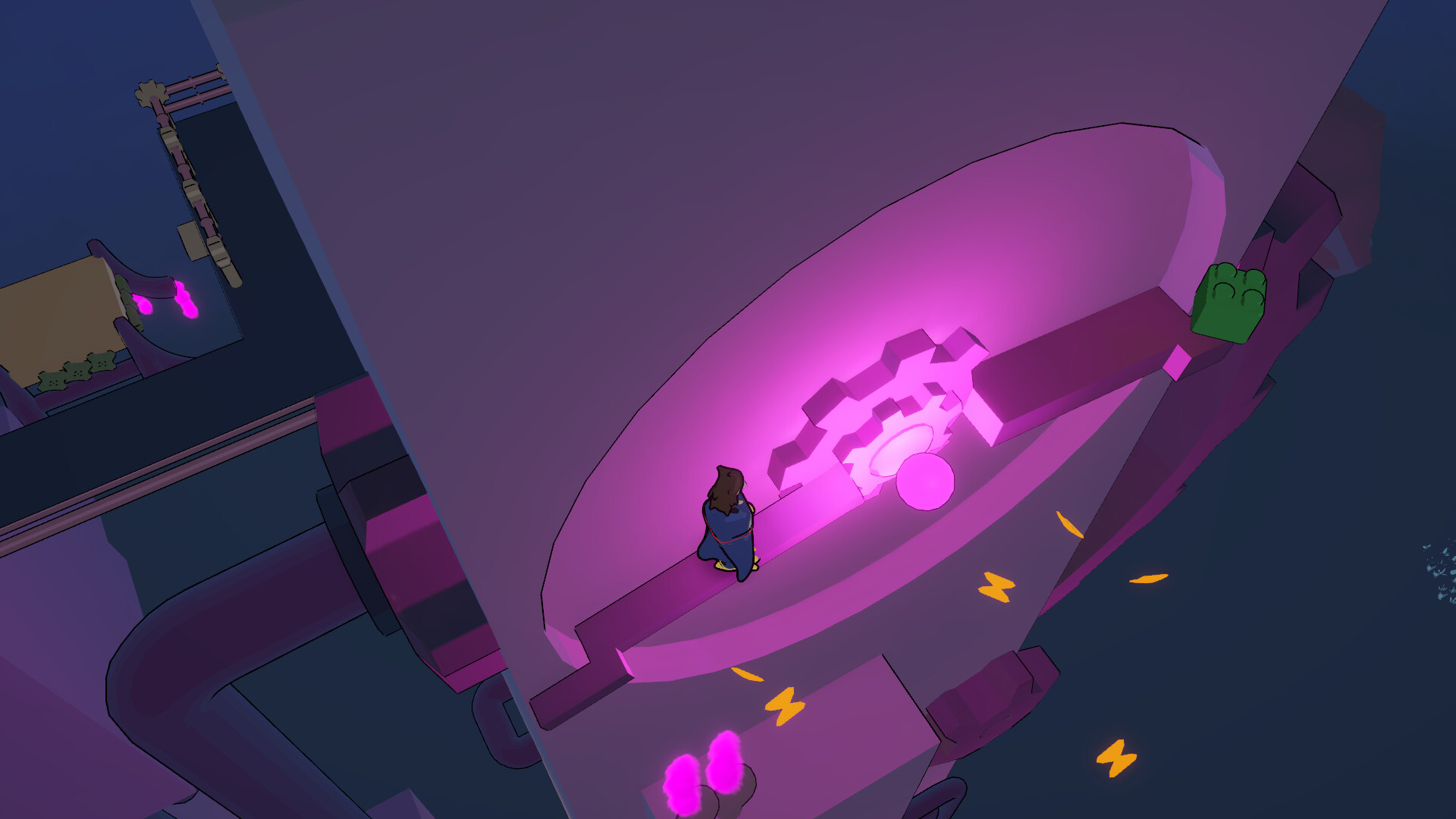
A Tour of Exotic Biomes
Variety is crucial for any exploration game, and Spiny & Chilly promises a diverse tour across imaginative, themed worlds. The early demo teased several striking environments:
- Haunted Harbors: Moody, atmospheric coastal regions filled with spectral maritime elements, spooky lighting design, and clever platforming hazards.
- Floating Islands: Dizzying heights where the ground beneath your feet is sparse, requiring precise timing, gravity manipulation, and absolute faith in Chilly and Spiny’s collective agility.
Official Statements & Developer Insights
The passion behind Spiny & Chilly emanates directly from its creator, whose infectious enthusiasm was a major talking point during the Bilbao Games Conference.
Speaking with industry reporters on the convention floor, the developer elaborated on the core philosophy guiding the project:
"We didn’t just want to make another retro-styled platformer that relied solely on nostalgia. We wanted to build a world with character, where the relationship between Chilly and Spiny dictates not just the story, but how you interact with every single pixel of the environment. Platformers are about joy, discovery, and overcoming physical space. By pairing a clumsy, ice-loving penguin with a prickly, grounded hedgehog, we wanted every jump, slip, and puzzle-solved moment to feel earned and genuinely funny."
When questioned about the decision to incorporate open spaces and challenging movement mechanics inspired by late-90s classics, the developer emphasized respect for the player’s intelligence:
"Modern games often hold your hand too much, guiding you from marker to marker without letting you absorb the scenery. We drew inspiration from the games we grew up loving—where exploration meant wandering off the beaten path, getting slightly lost, and discovering a hidden secret entirely by accident. The learning curve with the movement is deliberate; we want players to master the physics, so when you finally reach that high-altitude ice block, you feel like a true master of the craft."
Industry commentators who experienced the demo firsthand have responded warmly to this creator-driven approach. Reviewers have praised the game’s refusal to compromise on its quirky identity, noting that the genuine passion of a solo or small-team developer often yields artistic risks that corporate-backed studios routinely avoid.
Future Outlook: What Lies Ahead for the Frosty Duo
As Spiny & Chilly continues its journey through active development, the gaming community’s eyes are firmly fixed on its progression. While the current build offers a compelling vertical slice of gameplay, several key milestones remain on the horizon before the title’s eventual commercial launch.
Expanding the Universe
The primary objective for the development team moving forward is expanding the scope and variety of the game’s worlds. While the early demo showcased haunted harbors and floating islands, the full release promises an even wider array of imaginative biomes. Ensuring that each environment maintains the same level of environmental puzzle design, hidden secrets, and verticality will be crucial for the game’s long-term critical reception.
Refining Movement and User Feedback
Playtesting at events like the BIG Conference provides invaluable telemetry and qualitative feedback. Addressing the early learning curve associated with the movement mechanics without diluting the skill ceiling will be a delicate balancing act for the developer. Fine-tuning camera angles, optimizing the gravity-shift transitions, and smoothing out the transit spaces between open-world hubs will elevate the final product from a charming indie curiosity into a polished genre contender.
Building Community Momentum
In the hyper-competitive landscape of indie game releases, community engagement is everything. By launching an official Steam Wishlist page, the developer has opened a direct channel of communication with fans. Wishlists serve as the lifeblood of indie visibility, signaling market demand to platforms and press alike.
Conclusion: Why Spiny & Chilly Matters
In a medium frequently obsessed with high-stakes drama and relentless combat, Spiny & Chilly offers a refreshing palate cleanser. It captures the pure, unadulterated joy of exploration, spatial puzzles, and whimsical character dynamics.
With its clever fusion of 90s collectathon inspiration and modern indie craftsmanship, this penguin-and-hedgehog adventure is well-positioned to make a major splash upon its release. Whether you are a veteran fan of Super Mario 64 and Banjo-Kazooie or simply someone looking for a charming, challenging, and utterly unique single-player experience, Spiny & Chilly deserves a prominent spot on your radar—and your Steam wishlist.