Breaking the Fourth Wall of Fighting Games: How Deadpool’s Marvel Tokon Moveset Became a Love Letter to 30 Years of Arcade History
Executive Overview
The release of Marvel Tokon: Fighting Souls has finally materialized, inviting players worldwide to test their mettle across a diverse and vibrant roster of combatants. Yet, amidst a lineup filled with heavy-hitting fan favorites and intricate newcomers, one character stands head and shoulders above the rest in terms of pure meta-commentary: the Merc with a Mouth himself, Deadpool.
True to his comic book roots, Wade Wilson’s implementation in Marvel Tokon transcends a standard character design. Developers have outfitted the unpredictable anti-hero with an exhaustive, meticulously crafted move list that functions as an interactive museum of fighting game history. Boasting everything from mainstream crossover callbacks to deeply obscure arcade-era deep cuts—such as nods to the infamous Street Fighter: The Movie: The Game—Deadpool’s presence in the game is both a masterclass in character writing and a loving tribute to the genre as a whole.
This report explores the staggering breadth of Deadpool’s references within Marvel Tokon, detailing how the fighting game community has rallied to document these easter eggs, analyzing the specific cultural touchstones embedded in his animations, and evaluating what this creative triumph means for the intersection of character identity and game design.
Detailed Chronology: Unpacking the Community Discovery
The journey of uncovering Deadpool’s encyclopedic move list began long before the public servers officially went live. During the promotional rollout, observant fans caught glimpses of peculiar animations, quirky stance shifts, and hyper-specific attack startups hidden within the character’s trailers.
However, it was not until the game’s official launch that the true scope of the developer’s dedication became clear. As players flooded training rooms and online lobbies, a collective digital excavation effort began.
The Catalyst: Whisp90’s Comprehensive Breakdown
On August 6, 2026, X (formerly Twitter) user and dedicated fighting game enthusiast @Whisp90 shared a comprehensive video compilation that would quickly become the definitive guide to Deadpool’s hidden nods. In the post, Whisp90 remarked on the arduous process of cataloging the sheer volume of references packed into the character’s frame data:
"En los trailer de Tokon estaban entretenidos ver las referencias de Deadpool, así que hice una compilación de estas. Pensaba hacerlo más rápido pero terminé demorando harto 🤯 Diganme si olvidé algo. Aunque mañana cuando salga el juego probablemente habrán muchas más rofl"
(Translation: "In the Tokon trailers it was entertaining to see the Deadpool references, so I made a compilation of these. I thought I’d do it faster, but I ended up taking quite a while 🤯 Tell me if I forgot anything. Although tomorrow when the game comes out there will probably be many more rofl")
The viral video ignited a frenzy within the community. Players began cross-referencing frame-by-frame animations, sound cues, and visual flares against decades of arcade history. What initially appeared to be standard Deadpool silliness was revealed to be a meticulously structured love letter spanning nearly 30 years of competitive fighting game evolution.
Supporting Context & Metrics: An Encyclopedia of Combat References
To understand the magnitude of what the development team achieved with Deadpool in Marvel Tokon, one must examine the staggering variety of franchises and eras referenced in his combat mechanics. The character’s movelist does not merely nod to Marvel’s own crossover legacy; it serves as a panoramic tour of the entire fighting game genre.
Spanning the Decades: From Capcom Classics to Obscure Relics
The breadth of the references uncovered by the community covers several distinct eras of game development:
- The Golden Age of Crossovers: Naturally, the character pulls heavily from his previous standout appearances in classics like Marvel vs. Capcom 3, capturing his chaotic energy and projectile spam mechanics.
- Modern Era Giants: Sharp-eyed viewers have identified direct stylistic and input-based nods to contemporary titans such as Street Fighter IV, Street Fighter 6, Guilty Gear Strive, Dragon Ball FighterZ, Tekken, and Mortal Kombat.
- The Deep Cuts: Moving past mainstream hits, the development team reached into the dusty archives of arcade history. Deadpool features animations and win screens paying homage to absolute genre oddities, including specific visual cues from Street Fighter EX2 Plus and even the live-action adaptation tie-in, Street Fighter The Movie: The Game.
Deconstructing Specific Animation Cues
Two standout examples highlight the depth of the research and affection poured into Deadpool’s design:
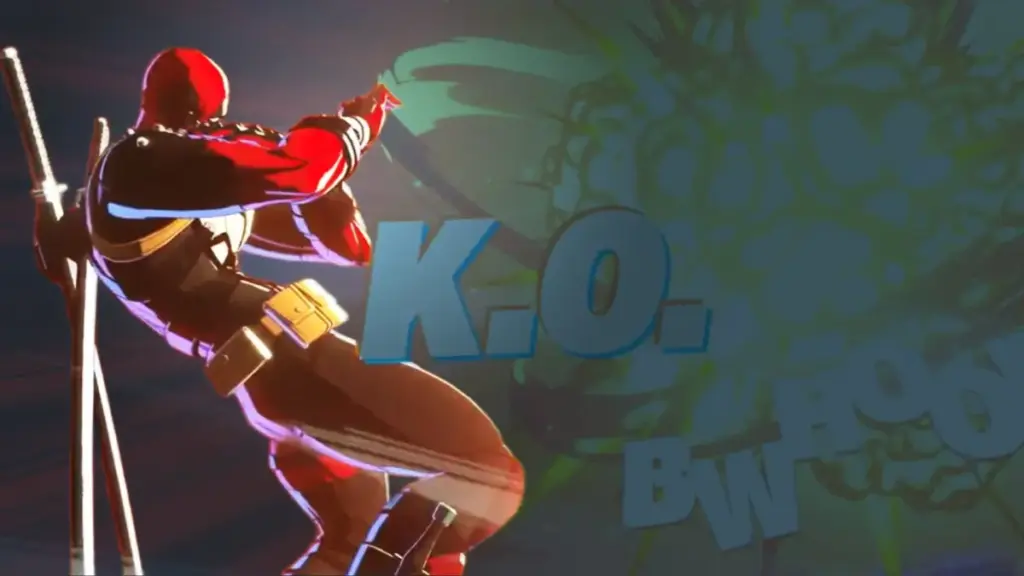
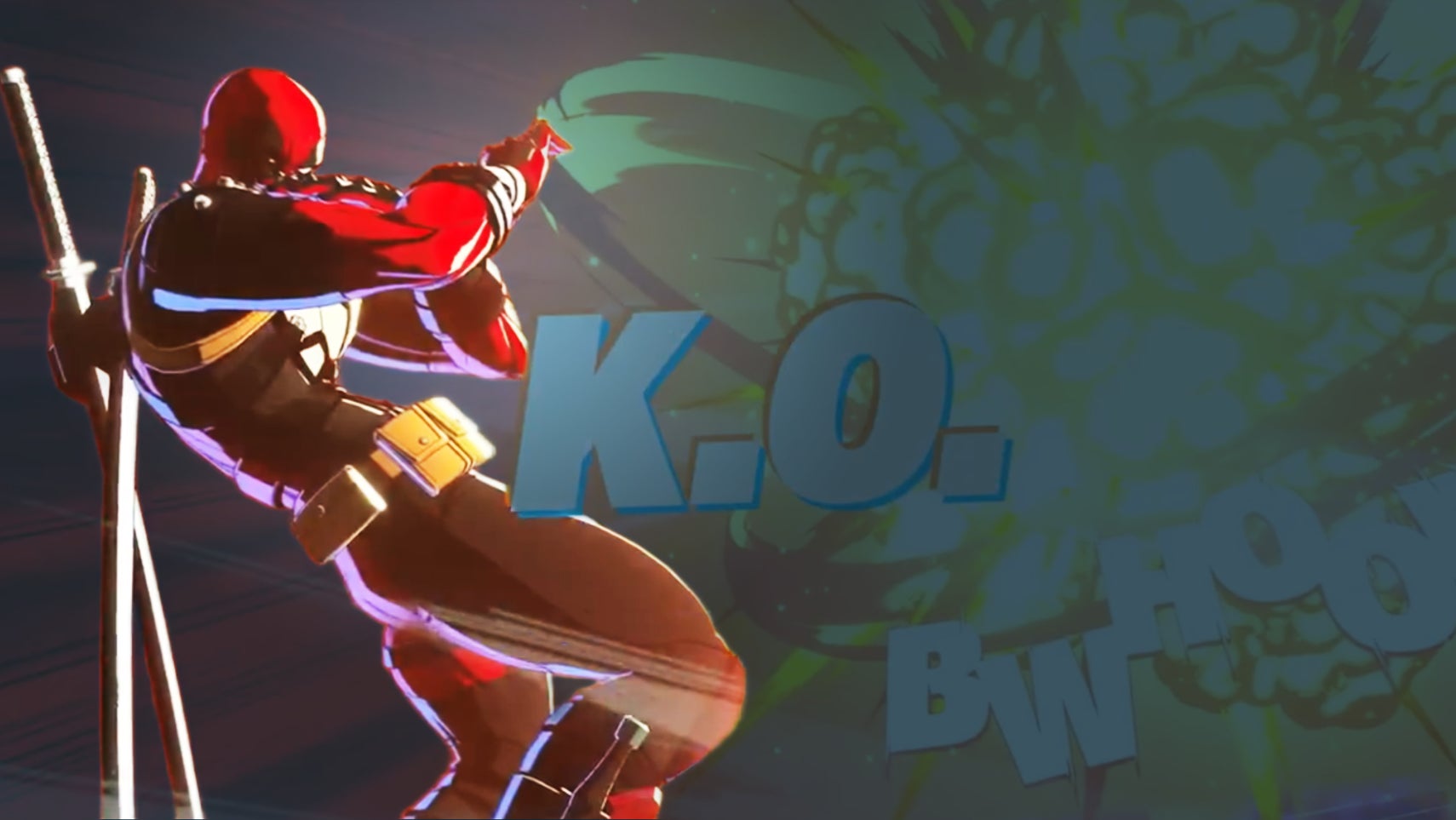
- The Victory Screen Homage: Upon winning a match under specific conditions, Deadpool transitions into an animation that is a direct, frame-for-frame callback to the iconic victory screens of classic Street Fighter II. It bridges the gap between modern 3D fighter fidelity and 16-bit arcade nostalgia.
- The Skullo Dream Medley: In one of his most mechanically complex supers, Deadpool executes a rapid-fire medley of attacks structurally identical to Skullomania’s signature "Skullo Dream" super from Street Fighter EX2 Plus. For casual observers, it is a flashy, erratic barrage of blows; for retro fighting game historians, it is a breathtakingly niche nod to Arika’s cult-classic spin-off.
Official Statements & Community Reaction
The reaction from both the competitive community and casual players has been overwhelmingly positive. Rather than viewing the excessive number of references as distracting clutter, the fighting game community has embraced Deadpool’s Marvel Tokon iteration as a badge of honor for genre veterans.
Prominent figures within the esports and content creation spaces have praised the developers for balancing competitive viability with creative expression. In interviews and developer roundtable summaries released alongside the game’s launch, design leads noted that Deadpool presented a unique opportunity to break convention.
"When designing a character like Deadpool, the fourth wall isn’t just a barrier to be broken—it’s a playground," noted an anonymous source close to the development team during early post-launch press discussions. "We wanted players who have spent decades supporting this genre to boot up the game, pull off a seemingly random string of attacks, and experience that sudden flash of recognition: ‘Wait… is that a reference to [that] obscure 90s arcade game?’ If we made even a few veterans smile with those deep cuts, we did our job."
The community response on social media platforms echoed this sentiment, with fans regularly sharing side-by-side video comparisons of Deadpool’s moves next to their original source material. This organic grassroots archiving has driven significant engagement, turning the character into a viral sensation well beyond standard game marketing channels.
Future Outlook: The Legacy of Meta-Design in Fighting Games
As Marvel Tokon: Fighting Souls settles into its lifecycle, the industry-wide implications of Deadpool’s design are already coming into focus. Historically, crossover characters in fighting games are designed to appeal primarily to fans of the guest’s home franchise (e.g., comic book readers or anime enthusiasts). However, Deadpool’s implementation proves that a guest or meta-character can be engineered to honor the medium of gaming itself.
What Lies Ahead for Marvel Tokon?
- Extended Roster Expectations: With Deadpool setting a remarkably high bar for referential depth, future downloadable content (DLC) characters and balance patches will be heavily scrutinized by fans looking for similar easter eggs.
- Community Tournaments and Content Creation: Video breakdowns like the one popularized by Whisp90 have established a new baseline for community content. The hunt for undiscovered frames, unlisted voice lines, and hidden stage interactions ensures that the title will maintain a dedicated theory-crafting scene for months to come.
- A Shift in Character Writing: Developers across the industry are likely taking notes. The success of Deadpool demonstrates that treating a game’s history as an interactive palette can foster profound goodwill among veteran players.
In conclusion, Deadpool in Marvel Tokon: Fighting Souls is far more than just a joke character slot filled with randomized silliness. He is a walking, punching celebration of thirty years of arcade history—a delightfully absurd monument built by developers who understand that the joy of fighting games lies not just in the competition, but in the shared memories of the community that plays them.