Bringing Marvel Champions to the Digital Realm: Developer Releases Fan-Created Homebrew ‘Warnel Chawpiovs’ for PC and Nintendo Switch
Executive Overview
The intersection of tabletop gaming and digital homebrewing has yielded a fascinating new entry for enthusiasts of cooperative card games. A developer known in the emulation and modding community as "wololo" has emerged from a period of hibernation to launch Warnel Chawpiovs (WC)—an unofficial, fan-made digital adaptation of Fantasy Flight Games’ popular cooperative living card game, Marvel Champions.
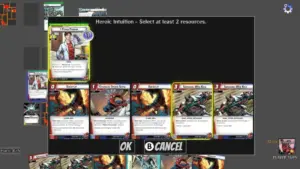
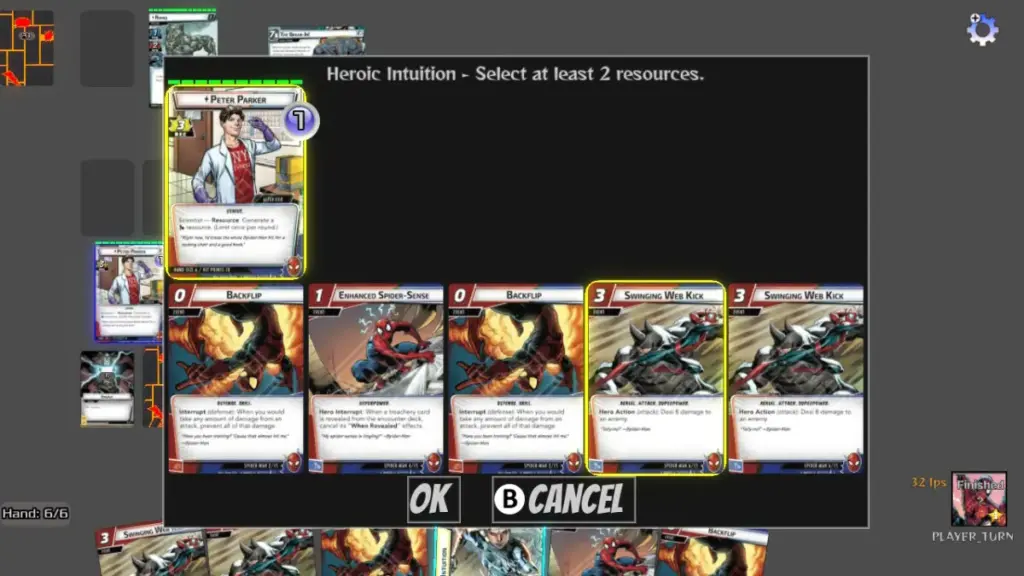
Designed to automate the often-complex rule sets that can overwhelm solo and cooperative tabletop players, Warnel Chawpiovs brings full rules enforcement to Windows PCs and hacked Nintendo Switch consoles. Built on the versatile Godot engine, the project is intended to shoulder the heavy lifting of game mechanics, allowing players to focus purely on strategic deck-building and superhero combat.
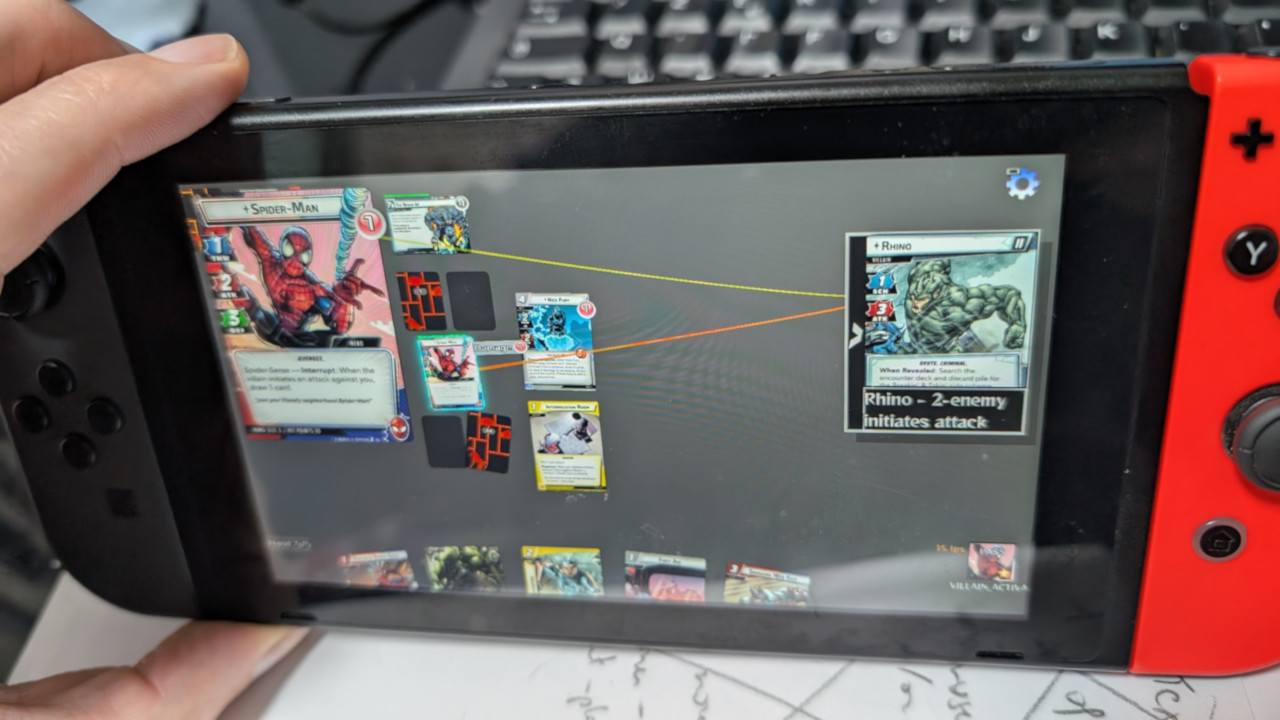
However, as is frequently the case with early-stage homebrew projects, the release comes with notable caveats. While solo play is fully functional and supported across multiple platforms, the developer has candidly admitted that the multiplayer mode is currently broken. Furthermore, because this is an entirely independent, passion-driven endeavor, it operates strictly outside any official channels with rights holders. This article provides a comprehensive breakdown of Warnel Chawpiovs, examining its core mechanics, technical specifications across platforms, installation procedures, known limitations, and the broader context of digital tabletop adaptations.
Detailed Chronology & Project Genesis
The Motivation Behind ‘Warnel Chawpiovs’
For years, Marvel Champions: The Card Game has maintained a passionate community of solo and group players. However, the game’s intricate systems—ranging from villain phases and threat tracking to complex keyword interactions and status effects—can create a high barrier to entry and severe mental fatigue during solitary play sessions.

The developer behind Warnel Chawpiovs faced this exact dilemma. As a dedicated solo player who frequently found the administrative overhead of the physical game exhausting, the primary goal was to construct a digital assistant that would enforce rules automatically. By programming the underlying logic into a software environment, the developer sought to streamline the experience: players choose their heroes and villains, and the computer manages the bookkeeping, token counts, and phase transitions.
Development Roadmap and Release Strategy
Built over the course of several months, Warnel Chawpiovs represents a monumental solo programming effort. Despite ambitions to deliver a feature-complete product with fully stable online and local multiplayer out of the gate, development realities intervened. Encountering persistent roadblocks within the networking architecture, the creator made the pragmatic choice to release the software in an early, imperfect state rather than letting the project languish indefinitely in development hell.

The initial public release offers binaries optimized for Windows and hacked Nintendo Switch systems, with the underlying Godot engine codebase theoretically opening the door for community ports to macOS, Linux, and mobile platforms.
Supporting Context & Technical Metrics
Technical Architecture and Engine Selection
Warnel Chawpiovs leverages the Godot engine, a lightweight and open-source game development environment renowned for its flexibility in 2D and 3D rendering as well as cross-platform exporting capabilities. Godot’s node-based architecture allowed the developer to rapidly prototype the card game interface, state machines, and graphical user interface (GUI) necessary for handling deck layouts, discard piles, and player hands.

Platform-Specific Breakdown and Performance
1. Windows PC Version
The Windows build serves as the primary development and testing environment for Warnel Chawpiovs. Offering mouse-driven input and scalable window resolutions, the PC version provides the most stable performance metrics. Installation is straightforward: users download the compressed binary package, extract the contents to a directory of their choosing, and execute the core executable (WC.exe).
2. Nintendo Switch (Homebrew) Port
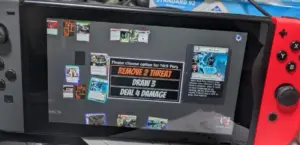
For portable play enthusiasts, the developer has provided a dedicated build tailored for modified Nintendo Switch consoles. Running this software requires a hacked Switch capable of executing custom homebrew payloads.

- Installation Procedure: Users must extract the
WCdirectory directly into theswitchfolder on their console’s root SD card. - Execution Requirements: To prevent memory allocation and system stability crashes, the homebrew application must be launched in "full speed" mode rather than restricted "applet mode." This is achieved by holding down the Right Shoulder (R) button while launching any legitimate cartridge-based game on the system, which forces the system to open the Homebrew Menu with full system RAM access.
- Performance Considerations: The Nintendo Switch port is notably resource-intensive and can experience frame drops or sluggish input response times during complex board states. To mitigate this, the developer strongly recommends utilizing third-party overclocking utilities—such as the
sys-clkhomebrew package—to boost the console’s CPU and GPU clocks while playing. Furthermore, players are advised to stick to single-hero solo configurations on the Switch to maintain playable performance metrics.
Asset Management and Internet Connectivity
To comply with distribution best practices and maintain manageable file sizes on repositories like GitHub, the raw code repositories do not inherently bundle high-resolution card artwork, tokens, and resource images.
- First-Run Initialization: Upon launching the game for the first time, Warnel Chawpiovs will attempt to download necessary assets, card databases, and graphic files from remote servers. This step requires an active internet connection and can take a considerable amount of time, particularly on the hardware-constrained Nintendo Switch.
- The "Core.zip" Bypass: To bypass the lengthy download phase, pre-packaged distribution builds hosted directly on the creator’s primary website include a pre-compiled
core.zipfile containing all vital resources. Players utilizing these comprehensive packages can immediately dive into gameplay offline.
Official Statements & Community Transparency
The developer has maintained a remarkably transparent and self-deprecating tone regarding the state of Warnel Chawpiovs. Recognizing the grey legal area surrounding fan-created adaptations of proprietary intellectual property, the project explicitly outlines its status:

"This is a fan-created work and is not affiliated with, endorsed by, or sponsored by Fantasy Flight Games. All characters, settings, and related elements are the property of their respective owners."
Furthermore, the developer has been entirely upfront about the limitations of the software, specifically addressing the broken multiplayer functionality:

"You can play on your own with one or multiple heroes, and there’s also a multiplayer mode, although I need to emphasize once again, multiplayer doesn’t exactly work."
For enthusiasts desperately seeking an online cooperative experience with friends, the developer even graciously pointed out alternative fan projects within the community, noting:

‘If you badly want to play Marvel Champions with friends online, the Marvel Champions digital edition, another unofficial fan game, does a great job at it. I hate that they do everything better than my own game, but that’s how it is 🙇♂️*’
Support and Troubleshooting Protocol
Because Warnel Chawpiovs is a labor of love rather than a commercial product, formal customer support channels are limited. The developer has elected not to establish a dedicated Discord server or community forum at launch. Instead, bug reports, crash logs, and troubleshooting inquiries are directed through GitHub issues or direct email contact—though the creator has issued a polite disclaimer that time constraints may prevent them from addressing every submission.

Future Outlook & Roadmap
The release of Warnel Chawpiovs marks a milestone, but the developer views this version as a foundational stepping stone rather than a finished product. The long-term roadmap for the project focuses on several key areas:
- Rule Enforcement Refinement and Bug Squashing: As with any complex automation engine handling thousands of unique card interactions, edge cases, timing conflicts, and minor rule misinterpretations inevitably slip through. Future updates will prioritize patching software crashes, memory leaks, and logical errors in rule execution.
- Content Expansion: The vast library of expansions, hero packs, and scenario kits available in the physical Marvel Champions ecosystem offers a nearly endless pool of content. The developer hopes to incrementally integrate additional card sets into the digital framework.
- Overhauling Multiplayer Infrastructure: The ultimate ambition for Warnel Chawpiovs is the stabilization of netcode and session handling to make true cooperative multiplayer a reality. Because the current network implementation is broken, the developer has extended an open invitation to programmers and community members: anyone with expertise in Godot networking and a willingness to untangle the codebase is encouraged to submit Pull Requests (PRs) via the official GitHub repository.
Conclusion
Warnel Chawpiovs stands as a testament to the dedication of tabletop gaming fans and the power of accessible game development engines like Godot. While it requires patience, a foundational understanding of the original ruleset, and acceptance of its current performance quirks on mobile hardware, it offers solo card-gamers a compelling way to experience their favorite superhero battles without drowning in administrative micro-management. Whether it evolves into a fully stabilized cross-platform powerhouse will ultimately depend on community engagement and contributions, but its initial launch provides an impressive window into what passion-driven homebrew development can achieve.