Reliving the Undead Nightmare: Indie Developer Revives the Golden Age of Co-Op Survival With Free-to-Play "Nazi Zombies"
Executive Overview
The video game landscape has undergone staggering transformations over the last two decades. As multi-billion-dollar publishers increasingly pivot toward live-service battle royales, hyper-monetized microtransactions, and photorealistic open worlds, a distinct nostalgia has taken root among the global gaming community. Players frequently yearn for the simpler, more visceral thrills of couch co-op and round-based survival shooters. Enter a passionate independent developer determined to fill that void.
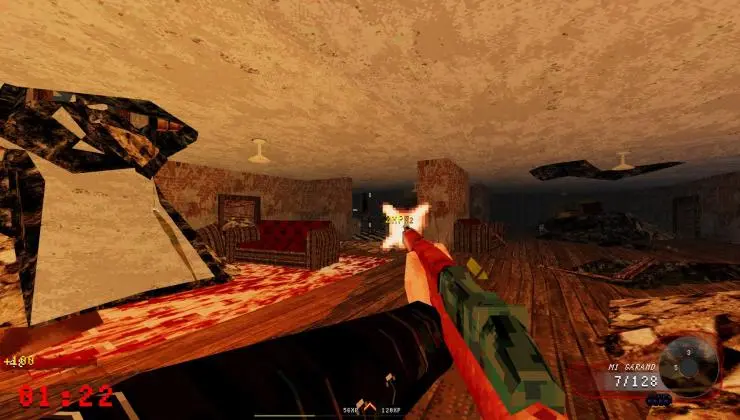
In a surprising and welcome development for fans of classic arcade-style shooters, a brand-new, completely free-to-play cooperative survival game simply titled Nazi Zombies has officially landed on digital storefronts. Drawing heavy inspiration from the genre-defining undead modes popularized by the Call of Duty franchise during its golden era, this indie passion project captures the frantic energy, tactical depth, and communal camaraderie that defined late-night gaming sessions in the late 2000s.
The release is more than just a nostalgic trip down memory lane; it represents a heartfelt homage to a bygone era of game design. Developed by a solo creator or small indie team with a proven track record for channeling retro classics—having previously helmed the positively reviewed TimeShifters, a love letter to iconic shooters like TimeSplitters and GoldenEye 007—Nazi Zombies strips away the cynical monetization models plaguing modern AAA releases. Instead, it offers pure, unadulterated cooperative survival.
Available completely free of charge, the title relies on an entirely optional supporter pack DLC for players who wish to financially contribute to the ongoing development and maintenance of the project. Furthermore, in a massive win for the open-source and alternative-operating-system gaming communities, the title launches with native Linux support, ensuring that a broad spectrum of PC enthusiasts can dive straight into the fray.
As the gaming industry continues to grapple with rising development costs, systemic layoffs, and software bloat, the unexpected success and arrival of Nazi Zombies serve as a timely reminder of the power of indie ingenuity. This article will examine the mechanics of the release, explore the developer’s trajectory, contextualize the enduring legacy of round-based zombie shooters, and evaluate what the future holds for this promising independent title.
Detailed Chronology
To fully understand how Nazi Zombies came to fruition, it is vital to trace both the historical timeline of the genre it honors and the specific trajectory of its developer. The journey of round-based zombie survival games spans nearly two decades, evolving from a hidden easter egg into a cultural phenomenon, and now, into an indie-resurrected art form.
The Genesis of a Sub-Genre (2008–2015)
The roots of the modern co-op zombie shooter trace back to November 2008, with the release of Treyarch’s Call of Duty: World at War. Originally conceived as a secret, unlockable minigame rewarded to players upon completing the campaign, "Nazi Zombies" caught the industry completely off guard. Featuring simple mechanics—barricading windows, shooting oncoming hordes of the undead, earning points, and purchasing randomized weapons from mystery boxes—it struck a chord that transcended the main game’s military-historical setting.
Over the subsequent years, this foundational concept evolved into expansive, story-driven sagas complete with convoluted Easter egg quests, complex map designs, and deep lore. However, as the Call of Duty franchise progressed into futuristic settings and modern live-service ecosystems, many veteran fans felt that subsequent iterations lost the pure, arcade-like focus of those early iterations. The frantic, pick-up-and-play accessibility of boarding up windows and coordinating door purchases with friends began to fade.
The Indie Pivot and the Legacy of TimeShifters
While major studios chased cinematic fidelity and esports integration, independent developers began experimenting with retro-inspired mechanics. The mastermind behind Nazi Zombies established their development chops through a previous title, TimeShifters. Heavily inspired by legendary console classics such as TimeSplitters and GoldenEye 007, TimeShifters earned a "Positively Rated" status on Steam by successfully capturing the fast-paced, split-screen gunplay and level design philosophies of the Nintendo 64 and PlayStation 2 eras.
This background in reverse-engineering classic shooter mechanics laid the technical and creative groundwork for Nazi Zombies. Recognizing a distinct gap in the modern market for unpretentious, round-based zombie survival tailored for PC and alternative platforms, the developer quietly pivoted toward recreating the visceral mechanics of the 2008 classic.
Development, Optimization, and the Linux Commitment
The development cycle for Nazi Zombies prioritized core gameplay loops over graphical excess. Leveraging modern indie engine frameworks, the developer focused heavily on netcode stability for seamless co-op sessions, tight gunplay mechanics, and accurate replication of classic survival progression loops—such as point economy management and escalating wave difficulty.
Crucially, the developer made a definitive commitment to platform inclusivity. Recognizing the vocal and passionate Linux gaming community—bolstered heavily in recent years by Valve’s Proton and Steam Deck ecosystems—the team engineered the game with native Linux support from day one.
The Official Release (July 30, 2026)
On July 30, 2026, Nazi Zombies officially launched on Steam. Eschewing traditional marketing campaigns or inflated pre-order windows, the game dropped as a free-to-play title. Within hours of its release, word-of-mouth recommendations began circulating across forums, social media, and community-driven outlets like GamingOnLinux, drawing waves of nostalgic players eager to experience round-based survival without modern monetization barriers.
Supporting Context & Metrics
Evaluating the impact of Nazi Zombies requires analyzing the broader economic, technological, and cultural metrics surrounding indie game development, player nostalgia, and platform distribution.
The Economics of Free-to-Play Indie Gaming
The modern video game market is saturated with free-to-play titles, but the vast majority rely on aggressive predatory mechanics: loot boxes, battle passes, pay-to-win mechanics, and time-gated progression. Nazi Zombies takes a refreshingly ethical approach. By offering the complete game for free—with all gameplay content, weapons, maps, and upgrades accessible to every player without spending a single dime—the developer relies on a purely voluntary economic model.
| Feature Metric | Details / Specifications |
|---|---|
| Release Date | July 30, 2026 |
| Pricing Model | 100% Free-to-Play |
| Monetization | Optional Supporter Pack DLC |
| Platform Support | Native Linux, Windows (PC) |
| Core Genre | Cooperative Survival / First-Person Shooter |
| Inspirations | Classic Call of Duty Zombies, TimeSplitters, GoldenEye |
The optional supporter pack functions as a tip jar for enthusiasts who wish to reward the developer’s labor and fund future content updates. This trust-based monetization model fosters immense goodwill within the community, encouraging players to naturally act as evangelists for the game.
The Technical Triumph of Native Linux Support
One of the most noteworthy metrics surrounding the release of Nazi Zombies is its native support for Linux. While compatibility layers like Wine, Proton, and Lutris have revolutionized gaming on alternative operating systems, native ports remain the gold standard for performance, stability, and resource management.
Historically, indie developers have often treated Linux as an afterthought due to the perceived small market share. However, with the proliferation of the Steam Deck and Linux-based desktop gaming setups growing year-over-year, forward-thinking developers are reaping the rewards of early platform inclusion. By natively supporting Linux right out of the gate, Nazi Zombies captured a dedicated, vocal demographic of players who consistently champion developers that respect open-source and alternative operating systems.
The Psychology of Nostalgia in Gaming
Nostalgia is a powerful economic and emotional driver in the entertainment industry. Psychologists note that revisiting media from one’s formative years evokes feelings of safety, social connection, and emotional warmth. For millions of players who grew up playing late-night split-screen matches of World at War or Black Ops zombies, the modern AAA landscape can feel cold, overly corporate, and disconnected from those communal roots.
By stripping away modern design philosophies—such as battle royale shrinking circles, excessive cosmetic storefronts, and mandatory internet connectivity for single-player experiences—Nazi Zombies taps directly into the psychological desire for simplicity and genuine cooperative teamwork.
Official Statements & Community Reception
The reception to Nazi Zombies has highlighted the appetite for straightforward, nostalgic gameplay. While formal press releases from major publisher conglomerates dominate headlines, the authentic dialogue happening between the developer and the community tells a far more compelling story.
Developer Philosophy: Honoring the Classics
In communications found on the game’s official Steam community hub and update logs, the developer has consistently emphasized a philosophy of preservation and passion. Having previously tackled the retro shooter genre with TimeShifters, the creator noted that mechanical authenticity was paramount during the design of Nazi Zombies.
"We wanted to build something that honors the games we grew up playing—where the focus is entirely on cooperative survival, testing your skills against escalating hordes, and sharing that experience with friends without hitting paywalls or manipulative progression systems," noted project representatives in early development notes.
This transparency has resonated deeply with players tired of modern live-service fatigue. The developer’s willingness to listen to community feedback regarding bug fixes, balance adjustments, and potential future map additions has positioned them as a shining example of modern indie stewardship.
Community and Media Echoes
Community response across platforms like Reddit, Discord, and niche enthusiast sites has been overwhelmingly positive. Players have praised the game’s tight controls, faithful recreation of classic point-scoring mechanics, and smooth performance—even on lower-end hardware and Linux rigs.
Gaming outlets focusing on alternative platforms have also amplified the release. As noted in coverage from community pillars like GamingOnLinux:
"I have some pretty fond memories of playing it in co-op with friends years and years ago – so this looks like a lot of fun. Nice to see an indie developer pick up the idea again, and it’s completely free to play with an optional DLC supporter pack to help development."
This sentiment echoes across user reviews, where players frequently express disbelief that such a polished, faithful experience is available entirely for free. The absence of aggressive monetization has transformed early adopters into vocal advocates, driving organic growth that rival studios spend millions of dollars attempting to manufacture.
Future Outlook
As Nazi Zombies settles into its post-launch phase, attention naturally shifts toward the future. What lies ahead for this indie passion project, and what does its success signal for the broader indie development ecosystem?
Content Expansion and Roadmap Speculation
The foundational loop of Nazi Zombies—fending off escalating waves, repairing barriers, buying weapons, and unlocking map areas—provides a rock-solid mechanical base. However, the longevity of round-based survival games invariably depends on content variety:
- New Maps and Environments: Expanding beyond the initial launch maps will be crucial for maintaining long-term player engagement. Introducing distinct architectural layouts, unique traps, and varied thematic settings will keep the gameplay fresh.
- Weapons and Perk Variety: Introducing expanded arsenals, custom weapon modifications, and creative perk sodas will deepen the tactical meta for cooperative teams.
- Community Modding Support: If the developer eventually opens the game up to Steam Workshop integration or community-created maps, the lifespan of Nazi Zombies could be extended indefinitely, echoing the legendary custom zombies scene that built the genre’s legacy on PC.
Broad Implications for the Indie Scene
The success of Nazi Zombies and its predecessor TimeShifters underscores a broader industry trend: indie developers are effectively eating the lunch of AAA publishers by catering directly to underserved, nostalgic niches. While massive corporations pour hundreds of millions of dollars into high-risk live-service gambles that frequently fail within months of launch, nimble indie creators are finding sustained success by delivering focused, polished, and consumer-friendly experiences.
Furthermore, the game’s flawless execution of native Linux support serves as a case study for other independent developers. Ignoring alternative operating systems is increasingly short-sighted in an era where hardware diversification is accelerating. By embracing Linux users, developers unlock a fiercely loyal customer base willing to support projects through voluntary purchases and enthusiastic word-of-mouth promotion.
Final Thoughts
Nazi Zombies is much more than a nostalgic clone; it is a testament to the enduring power of good game design and player-first ethics. By reviving a beloved sub-genre, distributing it completely free of charge, respecting alternative computing platforms, and maintaining transparent communication with its audience, the developer has crafted something truly special.
For veterans of the 2008 golden era of co-op shooters, and for newcomers looking to understand why round-based zombie survival captured the imaginations of millions, Nazi Zombies is an essential download. As the indie studio looks toward the future, the gaming community watches with bated breath—ready to load their weapons, board up the windows, and face the endless horde once more.