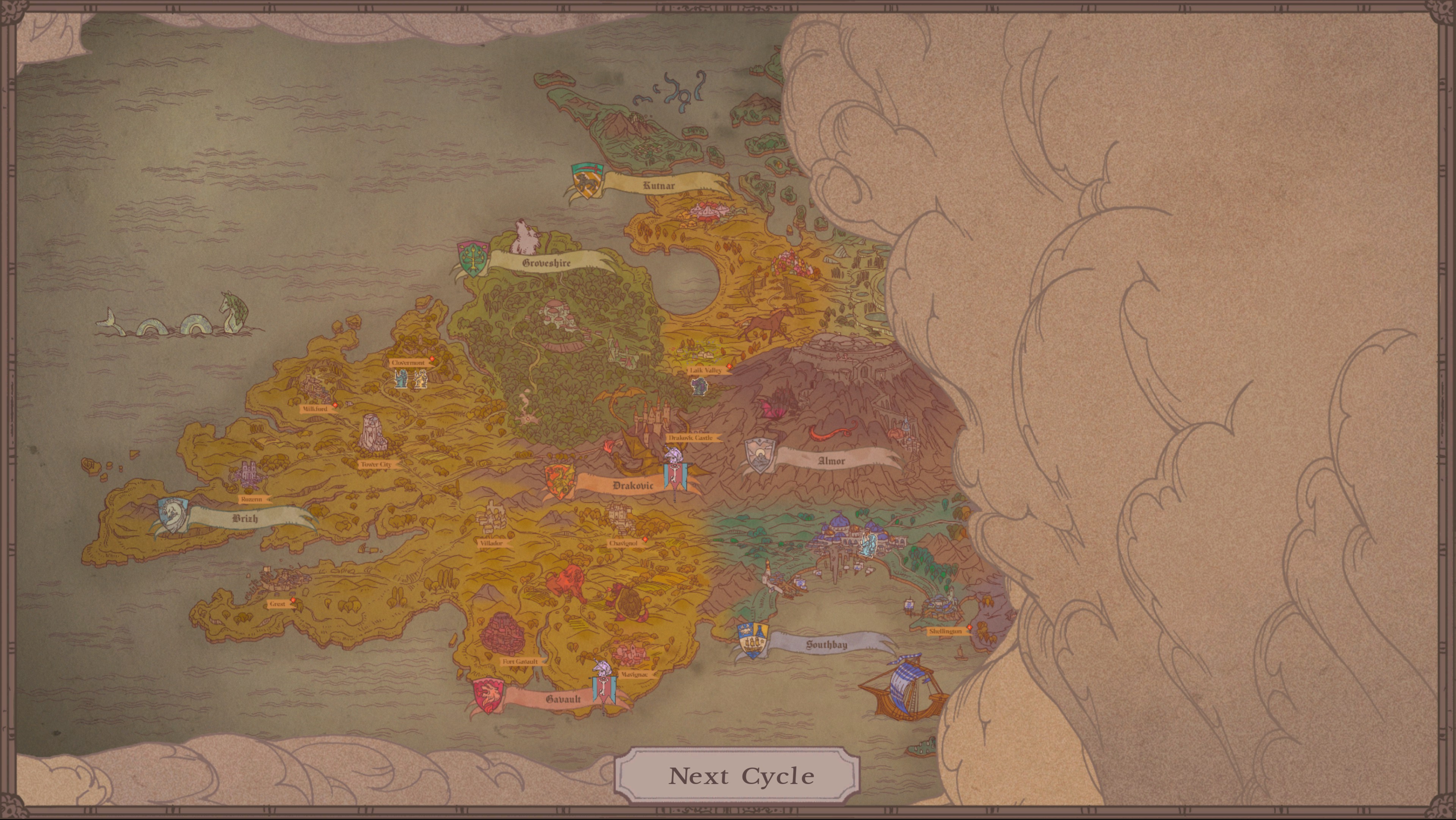
At first glance, Sovereign Tower presents itself as a bright, whimsical, and relatively gentle entry into the burgeoning genre of narrative-driven medieval management sims. Drawing clear aesthetic and mechanical inspirations from titles like Reigns and Yes, Your Grace, developer Wild Wits Games has constructed a vibrant world filled with colorful characters, witty dialogue, and high-stakes courtly drama. Beneath its soft, storybook color palette and deceptively cozy veneer, however, lies a sharp, morally complex experience that dives headfirst into dark themes, existential dread, and the profound ethical weight of temporal manipulation.
Players step into the worn boots of an itinerant leper who, through a sudden and inexplicable stroke of destiny, inherits the keys to a towering, ancient magic citadel and assumes the role of Sovereign. Overnight, you are thrust onto the grand international stage as the supreme leader of a sprawling nation. Your qualifications? None to speak of—just raw, unyielding destiny.
Yet, Sovereign Tower quickly transcends its initial classification as a simple decision-making card-swiper or visual novel. By weaving an intricate tactical role-playing game (RPG) management loop with a deeply systemic, narratively integrated time-travel mechanic, the game poses a question that few titles in the medium genuinely dare to ask: If you possessed the power to rewrite history, would you bear the moral cost of erasing entire timelines to achieve your ideal outcome? As the game launches, it stands out not merely as a clever indie title, but as an intellectually stimulating exploration of regret, power, and the terrifying temptation of absolute control.
Detailed Chronology: From Outcast to Absolute Ruler
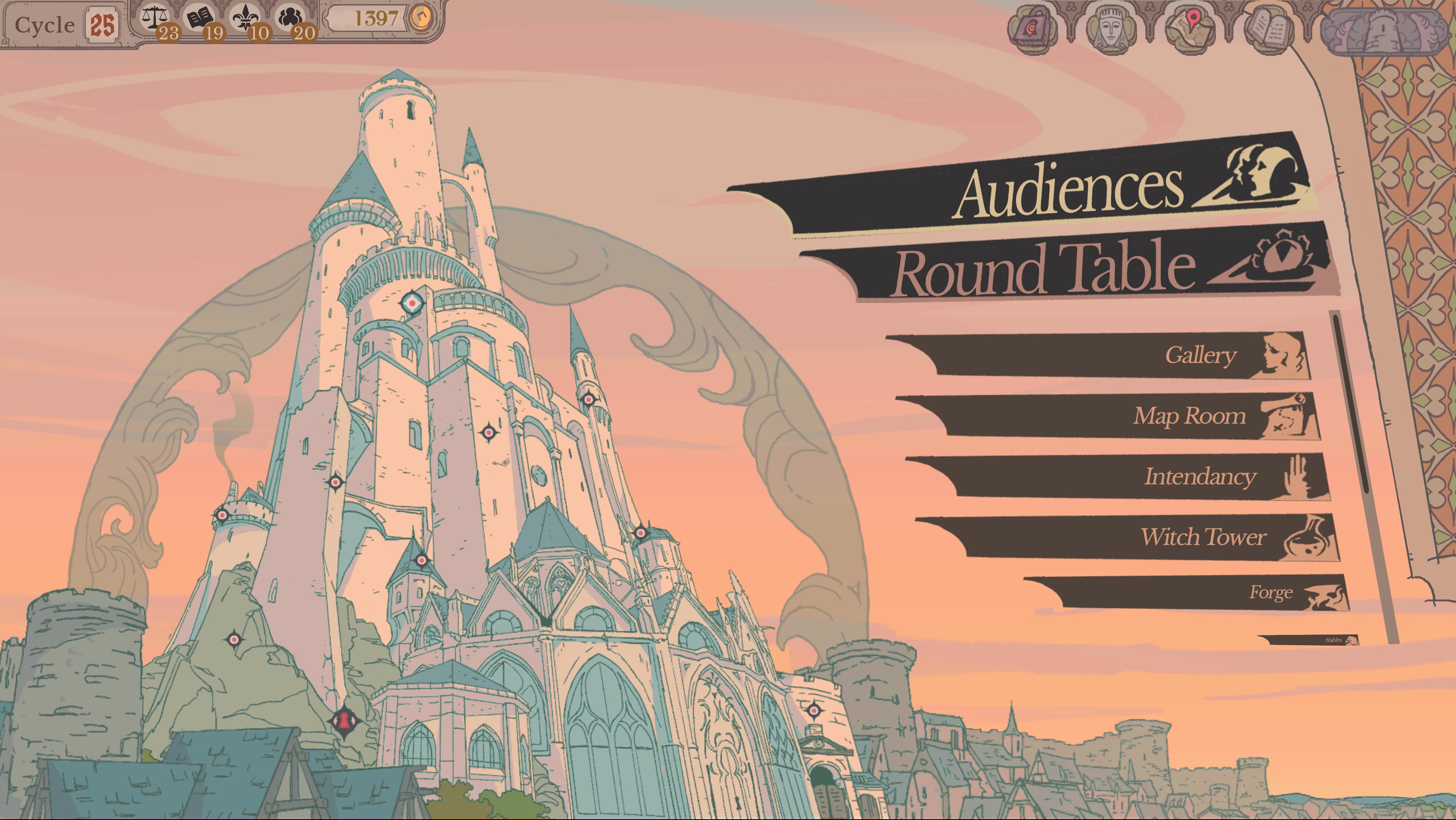
The day-to-day gameplay loop of Sovereign Tower establishes a deliberate, methodical rhythm that mirrors the administrative burden of medieval statecraft. Each dawn breaks with a royal court session—an audience phase where commoners, petitioners, foreign diplomats, and fellow monarchs line up to seek your counsel, beg for mercy, or lobby for political favor.
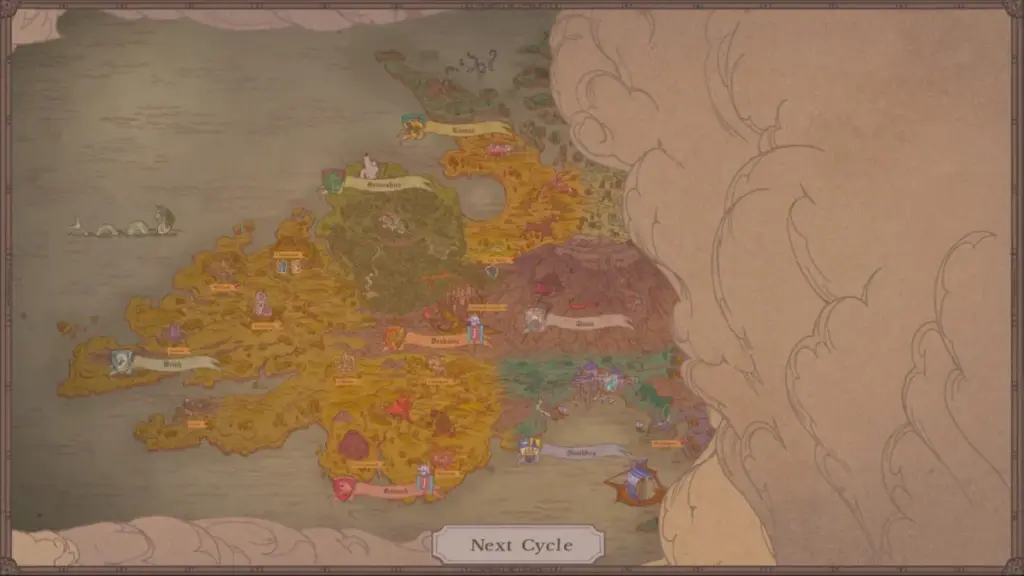
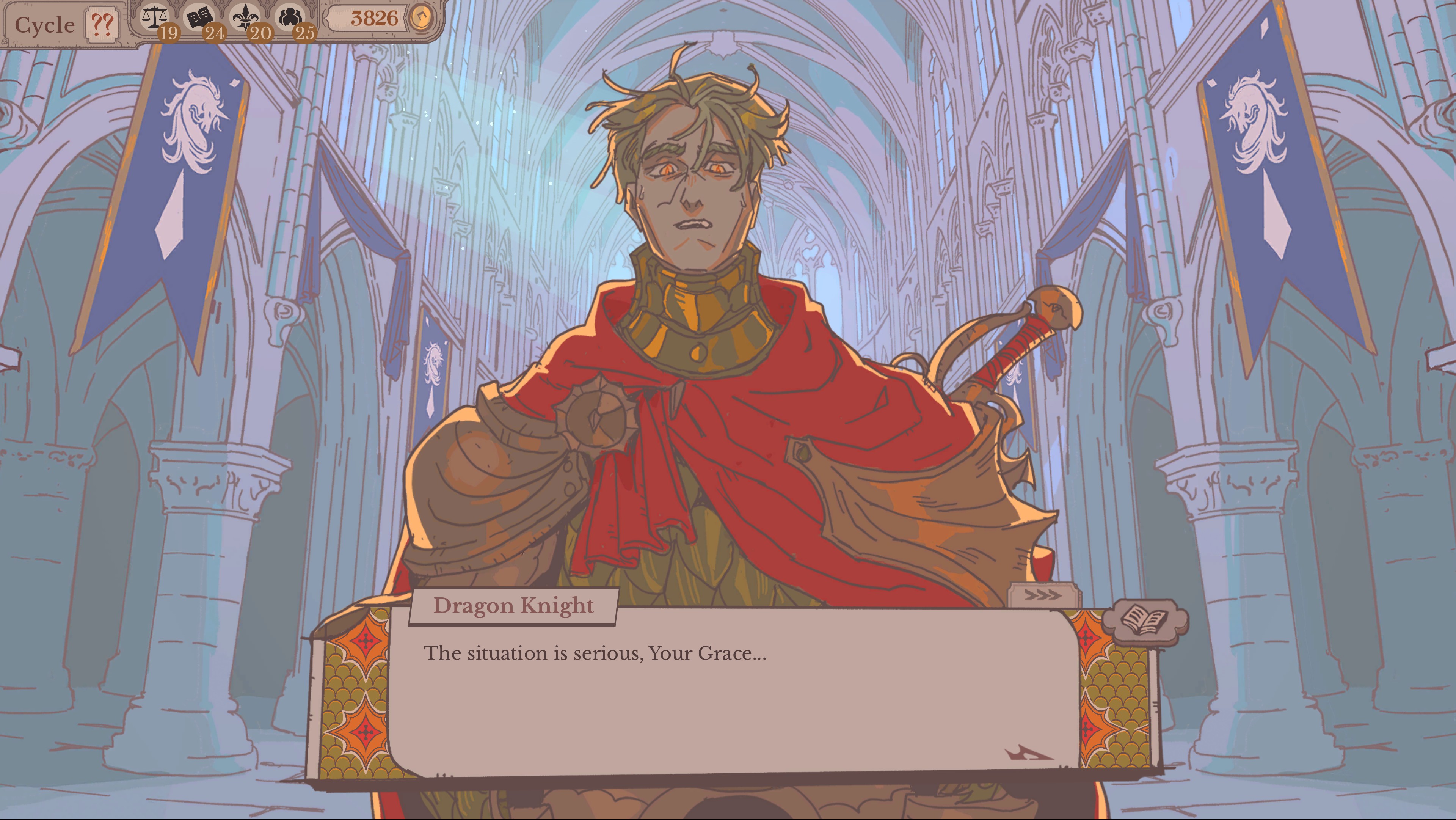
During these audiences, the player issues decrees, doles out strategic advice, and intercepts complex international crises. Crucially, these interactions spawn quests that must be dispatched to the far corners of the known world, relying entirely on your roster of knights and advisors.
The Granular Mechanics of Knight Management
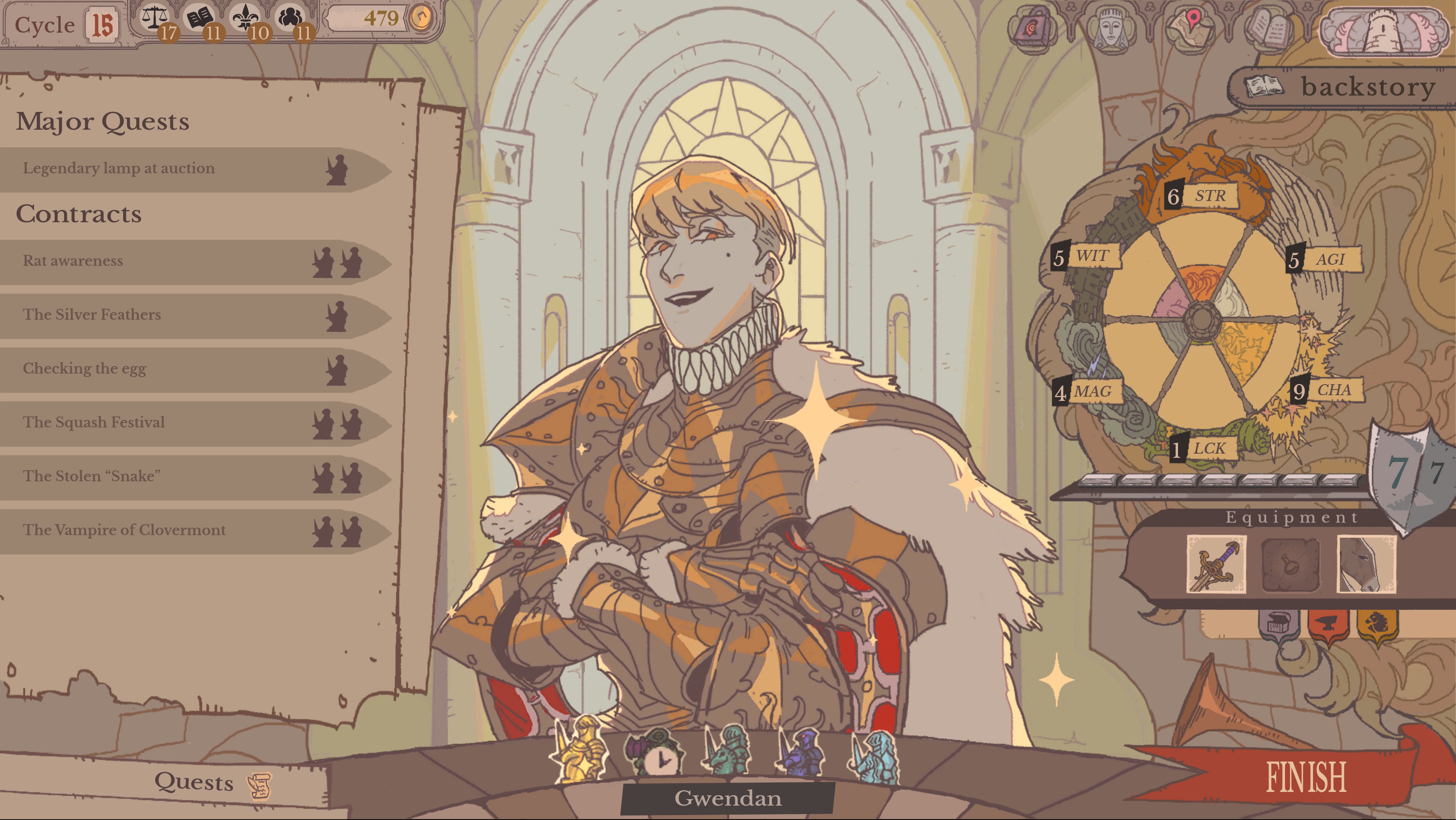
While issuing royal decrees feels satisfyingly authoritative, the true tactical depth of Sovereign Tower emerges through its robust RPG-lite management system. Every quest issued by the crown challenges a specific suite of core attributes:
Strength
Agility
Charisma
Luck
Magic
Wit
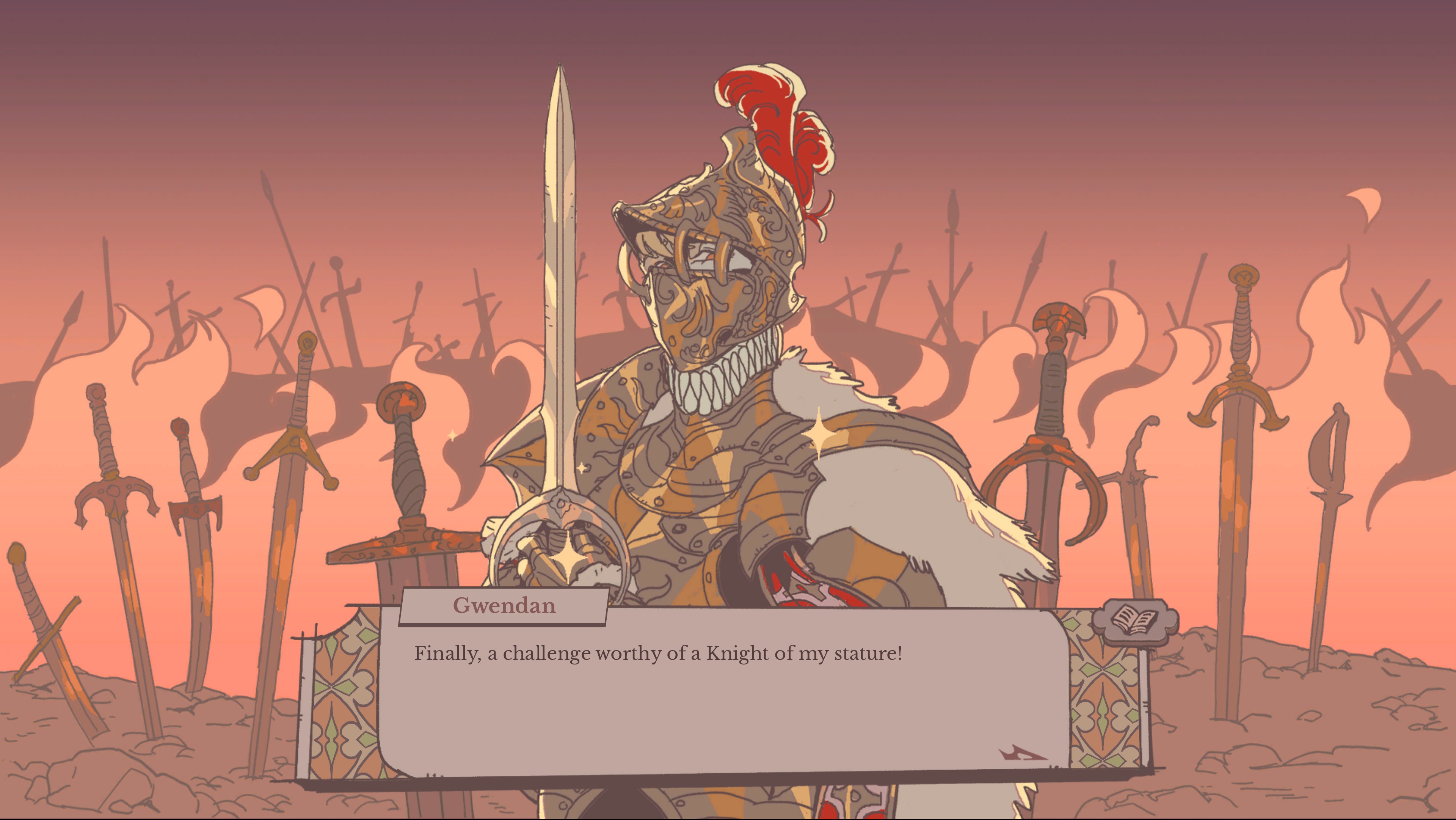
When dispatching a knight to hunt a rampaging manticore or clear out a den of bandits, matching their base stats to the quest’s hidden requirements is only half the battle. Every character in your retinue possesses a unique, dynamic profile loaded with both positive and negative traits. A knight might harbor a paralyzing fear of dark subterranean spaces, a pathological hatred of hunting, an intense aversion to crowds, or an inexplicable love of water.
These traits remain hidden from the player initially. Uncovering them requires active investigation, relationship-building, or deploying your advisors on espionage missions within your own court. Furthermore, a knight’s personal preferences do not merely dictate their success rates on quests; they actively govern their personal satisfaction levels.
Sending a squeamish knight who detests the dark into a gloomy forest to cull wolves almost invariably results in failure—and a deeply resentful vassal who views you as an incompetent, tyrannical ruler. However, the game grants players the autonomy to force their hand anyway. By heavily buffing a mismatched knight with specialized gear, magical artifacts, and tactical advantages, you can sometimes brute-force a victory despite all natural obstacles. This creates a fascinating tension between operational efficiency and the emotional well-being of your subjects.
Supporting Context & Metrics: The Temptation of Time-Crime
What elevates Sovereign Tower from a standard resource-and-vassal balancing act into an extraordinary narrative achievement is the inclusion of its second major pillar: temporal displacement.
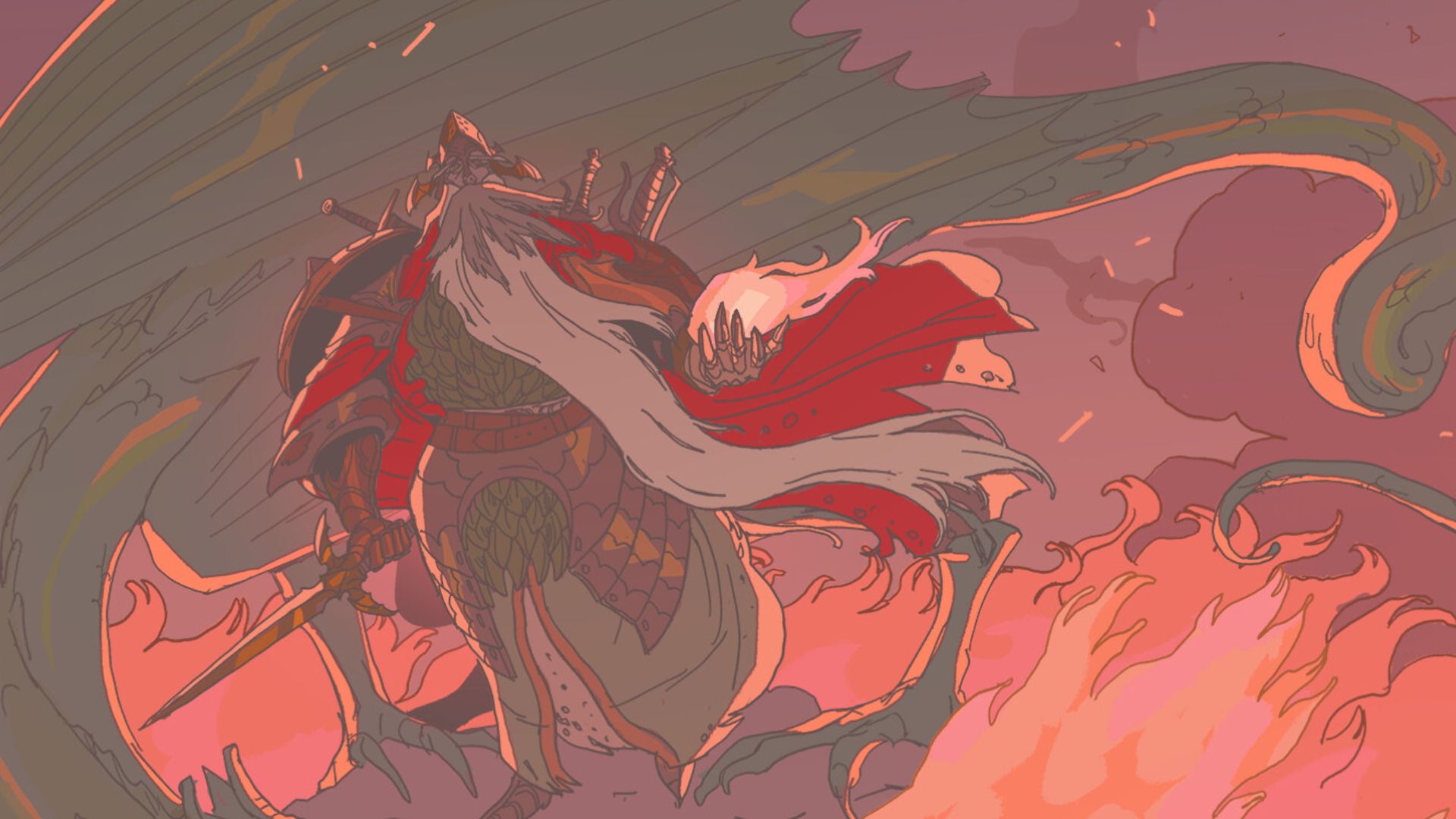
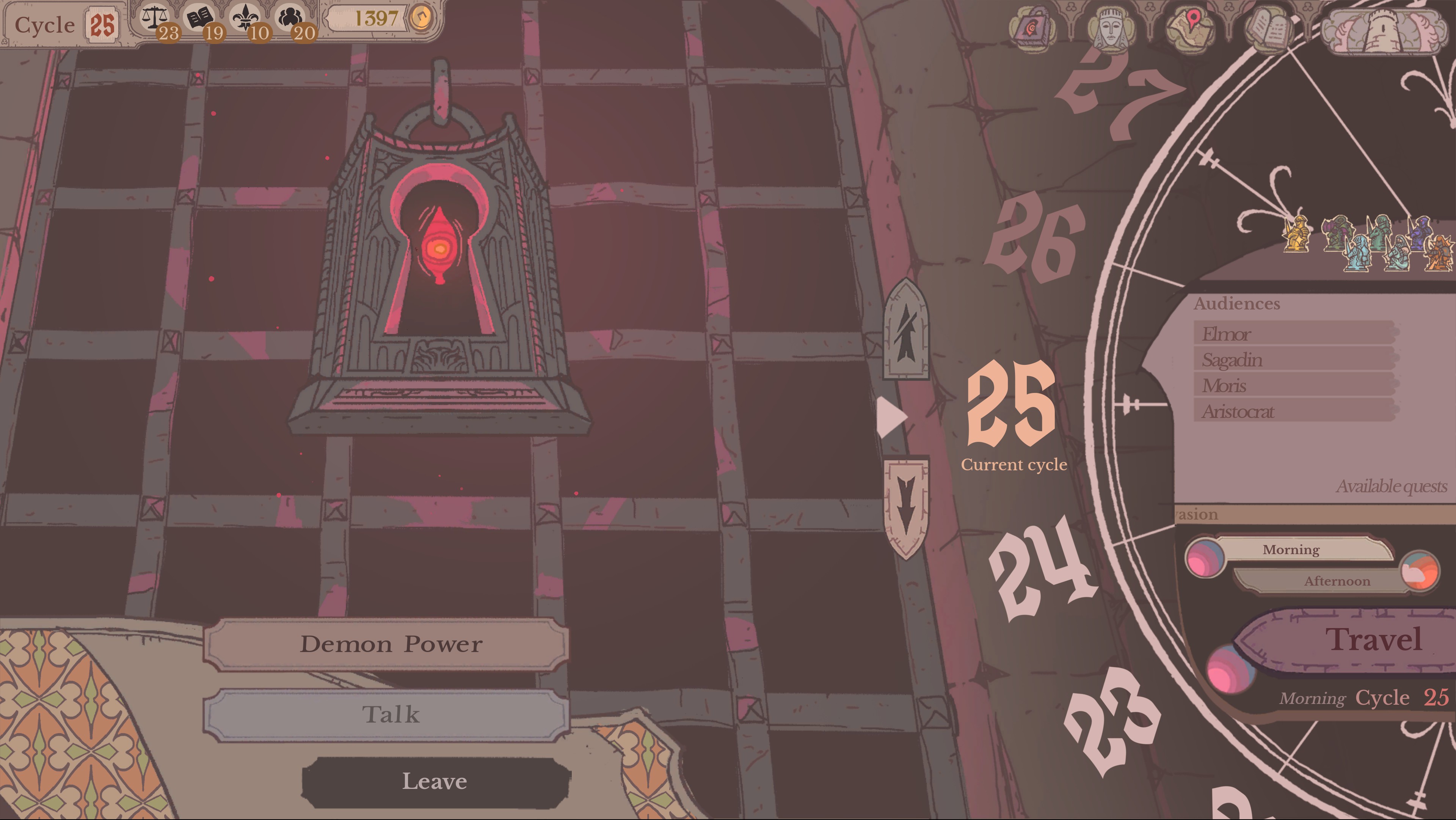
Deep within the subterranean bowels of the magical citadel sits an ancient, humming artifact inhabited by a charismatic and dangerously persuasive demon. This entity offers a singular, game-changing ability: the power to turn back the clock. While convenience-driven players might initially view this mechanic as an ingenious, in-fiction justification for savescumming—bypassing an unfortunate dice roll or undoing a botched diplomatic summit—the game quickly reveals that its implications run infinitely deeper.
The Mechanics of Retained Knowledge
When you trigger the demon’s temporal rewind, your character retains complete memory of everything learned in the now-defunct timeline. This knowledge fundamentally alters the fabric of subsequent loops.
For instance, consider a scenario where one of your trusted knights is not slain heroically in the field of battle, but rather murdered cowardly within the stone walls of your own fortress. Through the investigative work of another loyal vassal, you eventually uncover the identity of the culprit and the dark political motivations driving the assassination. Armed with this future knowledge, you now possess the exact leverage required to turn back time and preemptively avert the tragedy.
Yet, Sovereign Tower immediately steps in to challenge your heroism with a profound existential dilemma: Should you?
By eradicating a timeline to save a single knight, you are simultaneously wiping out every single butterfly effect that stemmed from that crime. Some of those downstream events might have yielded unexpected political alliances, beneficial economic windfalls, or crucial character developments. You may bring back a beloved vassal, but in doing so, you might permanently lock yourself out of interactions with other key figures. The game refuses to provide a neat, objective metric for what constitutes the "best" timeline.
Official Statements & Developer Vision
Wild Wits Games has constructed an experience that intentionally weaponizes player psychology, forcing individuals to confront the darkest impulses of their decision-making processes.
In statements surrounding the development and core themes of Sovereign Tower, the studio emphasized that they wanted to steer away from the traditional, consequence-free load states typical of modern strategy and role-playing games. Instead, they aimed to make time travel feel heavy, burdensome, and morally ambiguous.
"We didn’t want players to simply treat time travel as an undo button," design insights suggest. "We wanted the entity inhabiting the tower to feel alive, watchful, and deeply invested in your corruption. Every time you turn back the clock, you aren’t just fixing a mistake—you are playing God with thousands of lives, and the demon is right there cheering you on, whispering that you can always do it better."
This philosophical design philosophy successfully transforms what could have been a standard quality-of-life feature into an active narrative antagonist. The demon acts as a constant psychological presence, lingering at the edge of every milestone, failure, and royal decree to whisper: "Could you have done something differently?"
The truthful answer is always yes—but the burden of acting upon that knowledge rests squarely on the player’s shoulders.
Future Outlook: A New Standard for Narrative Strategy
As Sovereign Tower officially makes its debut on digital storefronts, it arrives with significant critical momentum and high expectations. While the runtime for a single baseline playthrough is relatively concise, the emergent storytelling produced by the time-travel mechanics, overlapping faction dynamics, and randomized character traits guarantees immense replayability.
For players wishing to test the waters before diving into the full campaign, a robust Steam demo remains available, offering access through the conclusion of the game’s first major narrative arc.
The Ultimate Verdict on a Rotten Monarch
Playing Sovereign Tower as a benevolent ruler is entirely possible, but the game uniquely rewards and tests those who lean into darker, more Machiavellian playstyles. Early-access impressions from critics and players alike highlight experiences of ruling as a thoroughly rotten monarch: allowing entire border towns to flood due to diverted funds, hurling casual insults at visiting diplomats, and regularly deploying ruthless enforcers to steal, cheat, and murder. In one infamous playthrough anecdote, a kingdom secured victory in a prestigious international horse race not through superior breeding or athletic prowess, but by systematically poisoning every competing rider.
And yet, despite orchestrating such brazen villainy, players report finding themselves utterly agonized over the choice to turn back time. This emotional resonance is the ultimate testament to Wild Wits Games’ stellar writing, sharp dialogue, and memorable cast of eccentric characters. The world feels remarkably tangible; its inhabitants are not merely statistical units to be min-maxed, but living entities whose erasure carries a palpable weight.
Sovereign Tower successfully bridges the gap between systems-heavy political strategy and intimate, character-driven visual novels. It refuses to hand the player a pristine, black-and-white moral compass, choosing instead to leave them wandering through a foggy labyrinth of shifting realities. Whether you choose to resist the demon’s siren song or give in completely to the temptation of absolute temporal control, Sovereign Tower stands as a monumental achievement in interactive storytelling and a must-play title for fans of deep, systemic RPG management sims.