Return to Erathia: Ubisoft Announces Groundup Remake of Heroes of Might and Magic 3 for PC and Current-Gen Consoles
Executive Overview
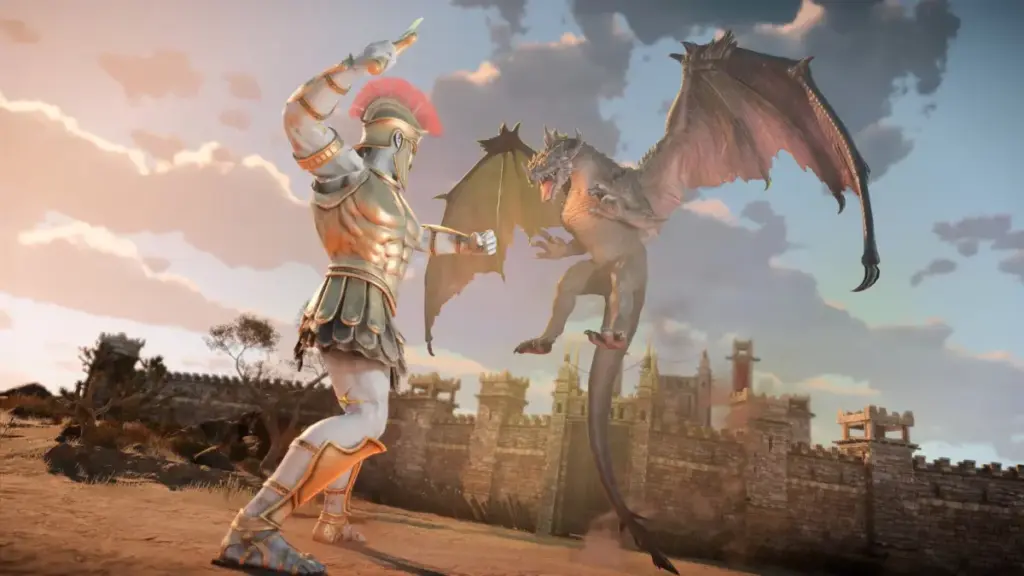
Ubisoft has officially shattered decades of fan speculation and fervent desire by announcing a ground-up remake of Heroes of Might and Magic 3—widely regarded as the undisputed pinnacle of the strategic fantasy role-playing genre. Revealed during Gamescom Opening Night Live, the reimagined classic is slated for release on PC, PlayStation 5, and Xbox Series S/X next year. Rebuilt entirely within Ubisoft’s proprietary Snowdrop engine, the project aims to bridge a twenty-seven-year generational divide, transforming the timeless 2D masterpiece into a fully realized, dynamic 3D world complete with shifting seasons, environmental weather systems, and modern visual fidelity, all while vowing to preserve the meticulous, chess-like tactical mechanics that defined turn-based strategy at the turn of the millennium.
Alongside the blockbuster announcement of the remake, Ubisoft delivered an immediate treat for purists: the Complete Edition of the original Heroes of Might and Magic 3 has been launched on Steam for the very first time. Yet, it is the Snowdrop-powered overhaul that has seized the attention of the global strategy community. Combining a reverence for legacy design with cutting-edge production values, the upcoming release represents a rare industry phenomenon—a nostalgic resurrection engineered to appease hardened veterans while inviting an entirely new generation of tacticians to return to the legendary continent of Erathia.
Detailed Chronology and Technical Evolution
The genesis of this ambitious remake traces back to a quiet, concurrent development cycle that ran parallel to Heroes of Might and Magic: Olden Era, a retro-styled prequel published by Hooded Horse. According to early insider reports and hands-on previews emerging from Gamescom, Ubisoft quietly greenlit the top-to-bottom visual overhaul years ago. The goal was twofold: modernize the presentation without corrupting the delicate balance of the original 1999 masterpiece.
Transitioning a legendary 2D strategy title into a modern 3D space is fraught with peril, but Ubisoft’s deployment of the Snowdrop engine appears to have bypassed the traditional pitfalls of stylistic homogenization. Early hands-on impressions from outlets like IGN and RPG Site confirm that while the assets, lighting, UI, and animations have been completely rebuilt from scratch, the core gameplay loop remains "almost one-for-one" with the original release. Players will find the classic resource-management loops, town-building mechanics, and grid-based tactical combat encounters intact.
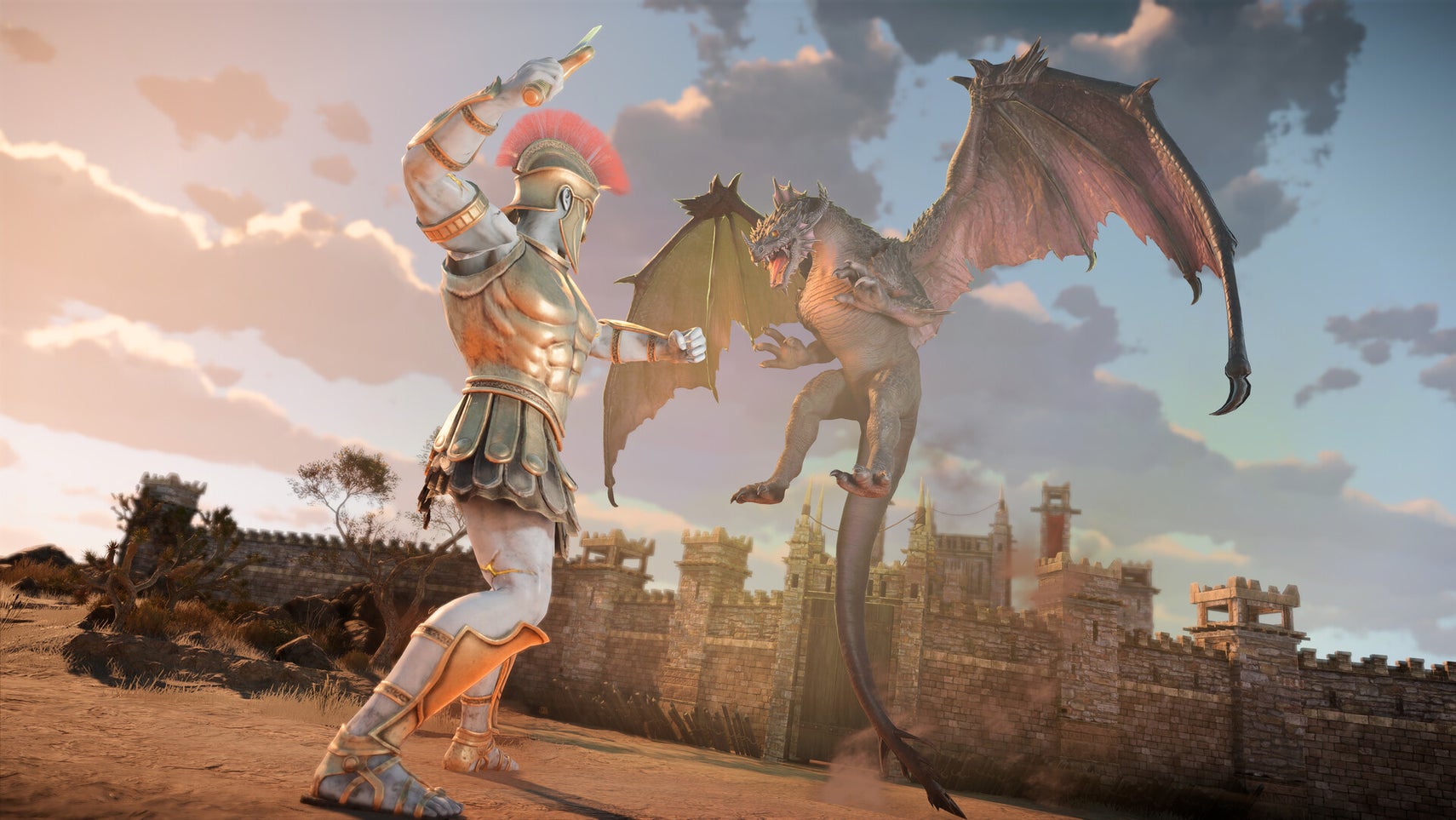
However, the technical leaps are impossible to ignore. The static maps of yesteryear have been replaced by vibrant, living environments. Rivers ripple dynamically, forests sway under reactive weather systems, and the passing of in-game time visually alters the world map through shifting seasonal palettes. Furthermore, major quality-of-life adjustments have been integrated into the user interface—most notably within the town-building and kingdom-management screens—alleviating the micro-management friction that occasionally plagued the original interface.
Crucially, Ubisoft has prioritized community preservation. The remake ships with significantly improved editor tools and a streamlined, in-game user-generated content (UGC) hub. In a massive win for the game’s fiercely dedicated modding community, existing custom maps and narrative campaigns engineered by players over the last two decades will reportedly be compatible with the new version. The package will also include both classic official expansions—Armageddon’s Blade and The Shadow of Death—ensuring that the definitive Heroes 3 content roster is fully accounted for on day one.
Supporting Context and Metrics: The Enduring Legacy of Erathia
To understand the magnitude of the Heroes of Might and Magic 3 Remake, one must examine the staggering, almost anomalous longevity of the 1999 original. Developed by New World Computing and published by The 3DO Company, Heroes 3 arrived at a time when the PC strategy market was fiercely competitive. Yet, it transcended its contemporaries through a masterclass in game design: an addictive "just one more turn" loop centered around gathering armies, exploring fog-of-war-shrouded continents, leveling up iconic heroes, and engaging in tactical, chess-like skirmishes.
Over the past quarter-century, the game has maintained an active, almost evangelical global community. Long after New World Computing folded and rights shifted through various corporate hands—ultimately landing with Ubisoft—fans kept the flame alive through monumental community-driven projects like Horn of the Abyss, an unofficial expansion pack that continued to add new factions, towns, and balance patches decades after official support ceased.
The game’s DNA can be traced through generations of subsequent titles. Ubisoft attempted to capture lightning in a bottle multiple times with sequels of varying critical and commercial reception, ranging from the fully 3D Heroes 4 and 5 to later entries. Meanwhile, the broader tactical fantasy market continually bowed to its influence. Acclaimed spiritual successors and genre-adjacent masterpieces—such as the King’s Bounty series, the critically lauded Songs of Conquest, and even narrative-driven spin-offs like CD Projekt Red’s Thronebreaker: The Witcher Tales—all openly cribbed notes from the Erathian blueprint.
The simultaneous release of the Complete Edition on Steam alongside the announcement of the Snowdrop remake signals a strategic pivot by Ubisoft. Rather than letting the original game languish in digital storefront obscurity or relying solely on emulated wrappers, the publisher is actively onboarding modern gamers into the franchise’s history while prepping the runway for next year’s high-budget modernization.
Official Statements and Industry Insights
Ubisoft’s official communications surrounding the project emphasize a careful balance between reverence and innovation. In a press release accompanying the Gamescom reveal, the development team highlighted that the project was conceived as a "definitive preservation effort wrapped in modern technological splendor."
"Bringing Erathia back to life required more than just slapping a fresh coat of paint on a classic," lead development notes indicate. "The Snowdrop engine allowed us to honor the distinct silhouette and aesthetic identity of the 1999 original while injecting a sense of scale, atmosphere, and fluidity that wasn’t mathematically or technologically possible twenty-seven years ago."

Early previewers have echoed these sentiments, though not without noting the curious timing of the project. RPG Site pointed out the internal competition posed by the simultaneous development of Heroes of Might and Magic: Olden Era, noting that running two distinct projects within the same strategy sub-genre might risk cannibalizing the franchise’s audience. However, market analysts suggest that the two titles serve fundamentally different audiences: Olden Era caters to the retro, isometric tactical purists, whereas the Snowdrop remake is positioned as a mainstream, prestige-tier event designed to appeal to both veterans and modern RPG enthusiasts accustomed to high-end cinematic fidelity.
IGN’s hands-on preview praised the developer’s restraint, emphasizing that the UI overhaul is a masterclass in modernization. By streamlining the base-building menus without abstracting the underlying economic mechanics, Ubisoft has successfully removed decades-old administrative friction while keeping the strategic core fiercely intact.
Future Outlook and Strategic Implications
As the games industry looks ahead to next year’s launch window, the Heroes of Might and Magic 3 Remake stands as a fascinating litmus test for the viability of high-end strategy remakes. In an era dominated by live-service experiments and microtransaction-heavy mobile adaptations, Ubisoft’s decision to heavily invest in a single-player, turn-based fantasy strategic historical artifact is a bold gambit.
The success of the project will ultimately hinge on two factors: whether the Snowdrop engine’s 3D translation retains the distinct readability of the original 2D sprites during chaotic battlefield engagements, and whether the promised UGC hub can successfully harness the legendary creativity of the community that kept Heroes 3 alive for nearly three decades.
If Ubisoft manages to thread this needle, the remake will not only reclaim its crown as the king of fantasy strategy but will also establish a gold standard for how legacy PC masterpieces should be preserved, modernized, and handed down to future generations. For now, commanders across the globe can dust off their spell books, ready their griffins, and prepare once more to march upon Erathia.