When Sony launched the PlayStation 2 in the year 2000, it arrived not merely as a piece of digital hardware, but as an analog artifact forged entirely around the physics of the Cathode Ray Tube (CRT). Unlike modern gaming platforms, which map virtual worlds to absolute pixel grids and digital resolutions, the PlayStation 2 was architected around scanlines, electrical timing, and the idiosyncrasies of standard-definition television signals.
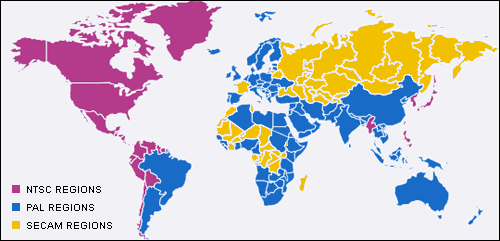
At the heart of this machine was the Graphics Synthesizer (GS), a powerful GPU paired with a microscopic 4MB of embedded eDRAM. This severe memory constraint forced a systemic reliance on hardware-level tricks, field-rendering techniques, and strict frametime targets to achieve fluid performance. Coupled with the geopolitical divide between North American/Japanese NTSC standards and European PAL systems, developers navigated a labyrinth of technical compromises.
Today, as retro-enthusiasts and emulation projects like Libretro unpack these historical constraints through advanced CRT simulation shaders, the true ingenuity of the PS2 architecture comes to light. This deep-dive investigation examines how Sony’s sixth-generation titan bypassed its physical limitations to pioneer an era of high-speed gaming, and how the transition to flat-panel LCDs ultimately fractured the visual identity of its software library.
Detailed Chronology: From Analog Foundations to the High-Definition Transition
1. The 2000 Launch and the CRT Imperative
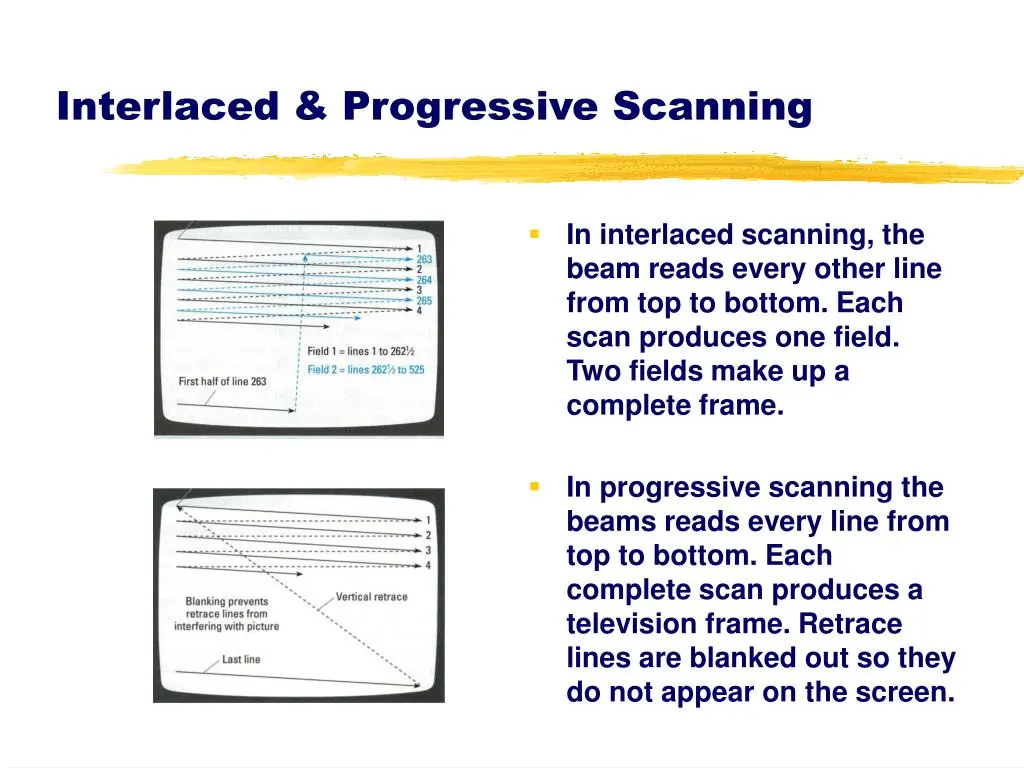
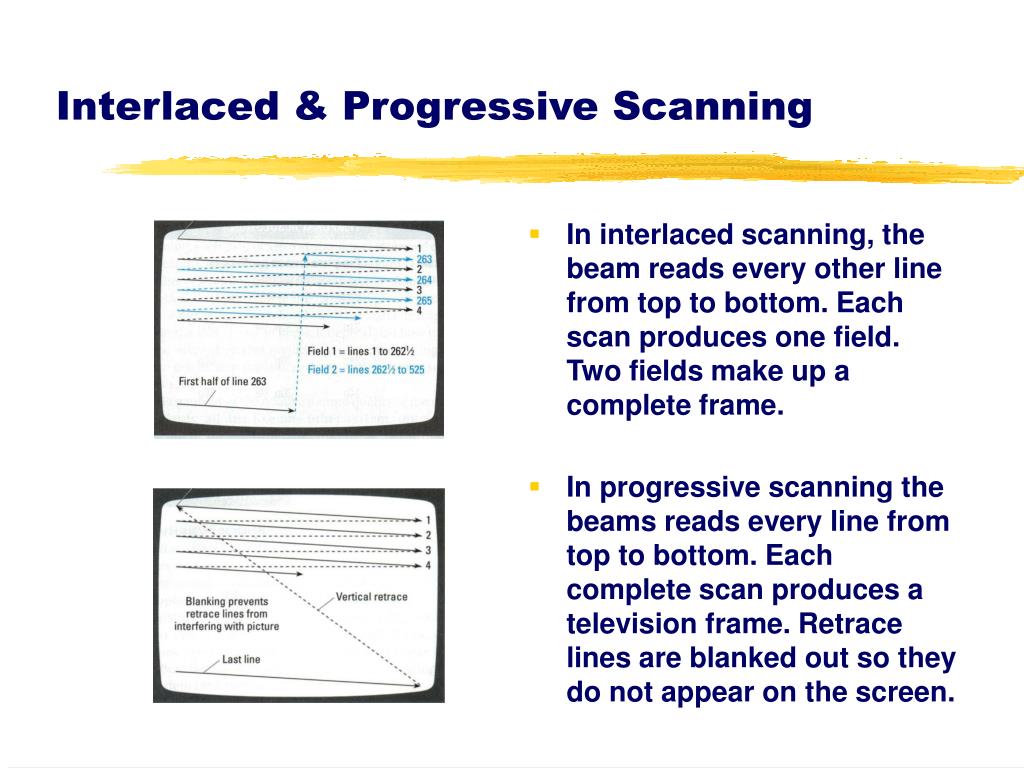
At the turn of the millennium, home entertainment was anchored by the CRT display. Sony designed the PlayStation 2 to exploit the natural properties of these analog monitors. While an obscure Linux kit allowed for VESA-compliant VGA monitor output, commercial game development targeted standard television sets using interlaced video modes.
Because the GS possessed only 4MB of eDRAM—too small to comfortably hold a standard 640×480 full-frame buffer—Sony instructed developers to treat the VRAM as a high-speed scratchpad rather than a traditional frame buffer. This limitation, paradoxically, unlocked unprecedented hardware throughput. Operations like alpha blending, multipass rendering, and framebuffer copies—which crippled competing architectures—were executed almost instantaneously on the GS. Furthermore, the inclusion of dual vector units (VU0 and VU1) established a fully programmable geometry pipeline years before similar concepts emerged in modern PC graphics cards.
2. The Field-Rendering Dilemma (2000–2003)
To circumvent the 4MB eDRAM bottleneck, developers heavily relied on field rendering (interlaced frame modes). By cutting vertical resolution requirements in half (rendering at 640×240 or 512×224), memory footprints and render times plummeted, making it easier to lock games at a silky-smooth 60 frames per second (NTSC) or 50 frames per second (PAL).
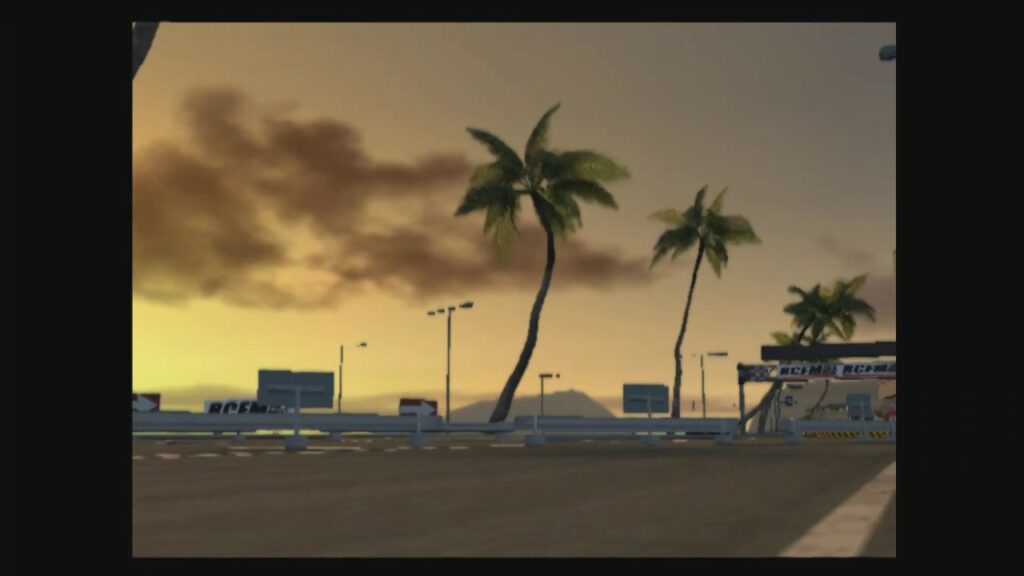
However, this technique carried a dangerous penalty. In field-rendered modes, missing a frametime target caused the previous field to repeat, forcing the entire image to shift vertically by a single scanline. To prevent this visual tearing, developers programmed games to internally drop frames or throttle game speed during heavy graphical loads rather than allow the framerate to fluctuate.
Alternatively, frame mode rendered full frames (640×448), offering greater forgiveness for dropped frames at the cost of significantly higher render times and increased vulnerability to color banding if framebuffer depth was sacrificed.
3. The Widescreen Shift and the 16:9 Era (2003–2005)
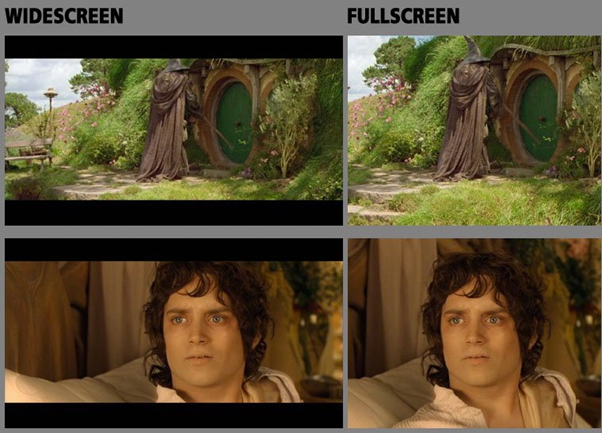
As the PS2 doubled as a mainstream DVD player, consumer demand for 16:9 anamorphic widescreen content surged alongside early widescreen CRT televisions. Developers handled this transition through three primary aspect-ratio adjustments:
Hor+ (Horizontal Plus): Expanding the horizontal field of view while maintaining vertical resolution.
Vert- (Vertical Minus): Cropping the top and bottom of the image and zooming into the center.
Hor+/Vert-: A hybrid approach.
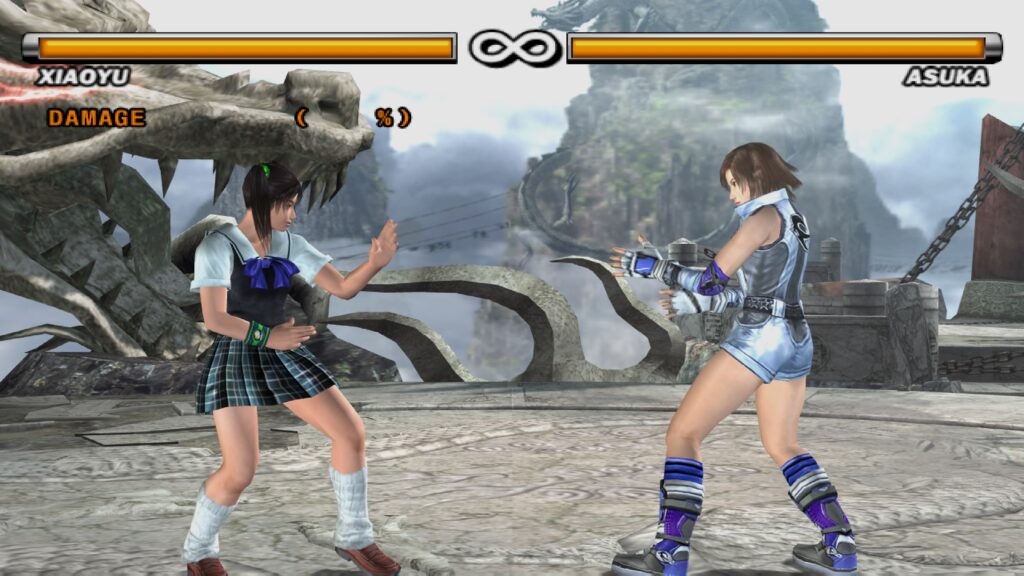
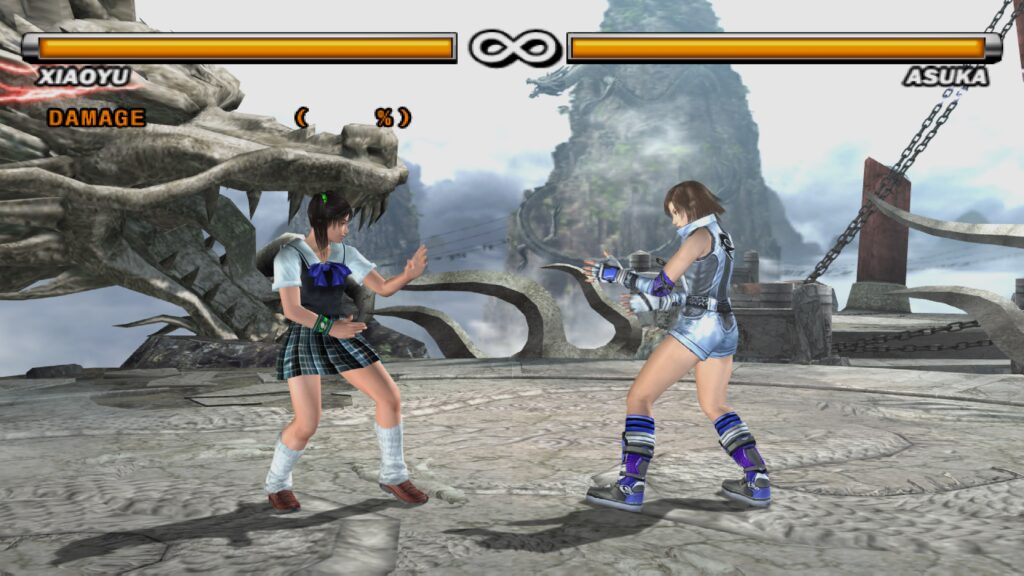
The vast majority of PS2 games—including flagship titles like Tekken 5, Ratchet & Clank, and Jak and Daxter—relied on Vert-. Because horizontal scaling was computationally "free" on the GS, chopping off upper and lower margins kept rendering demands within the strict 4MB eDRAM limit. Unfortunately, this left widescreen enthusiasts with cropped images and oversized character models, a deficiency later corrected by emulator community patches forcing true Hor+ rendering.
4. Progressive Scan and Regional PAL Struggles
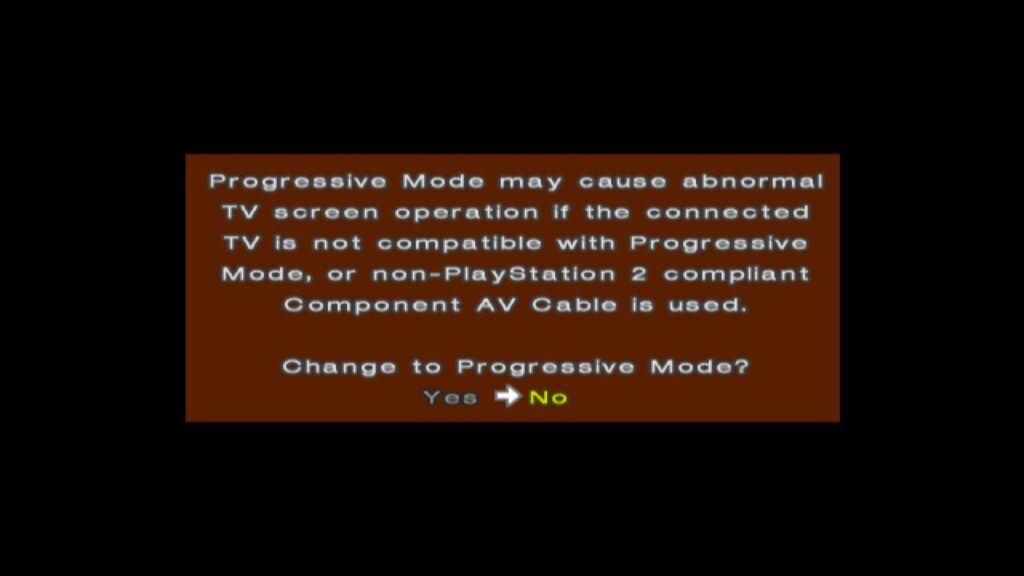
Near the twilight of the CRT era, Enhanced Definition Televisions (EDTVs) introduced 480p and 576p progressive scan capabilities. By holding specific controller inputs at boot, players using component cables (NTSC) or RGB SCART cables (PAL/Japan) could eliminate interlacing artifacts entirely.
In Europe, however, the gaming populace faced persistent hurdles due to the PAL standard’s 50Hz refresh rate and higher scanline counts. While the Sega Dreamcast popularized PAL60 modes, Sony’s initial refusal to standardize PAL60 forced European early adopters into sluggish 50Hz gameplay. Over time, developers implemented NTSC 480i toggles, though memory-heavy titles like Final Fantasy X remained locked to 50Hz due to the physical storage limits of DVD cutscenes.
5. The LCD Shockwave (2005 Onward)
The transition to seventh-generation hardware coincided with the catastrophic extinction of CRT displays in favor of early LCD panels. For legacy consoles like the PS2, this shift proved disastrous. Early LCDs suffered from severe input latency, motion ghosting, and native resolution mismatching.
Artistic techniques heavily utilized during the PS2 era—such as framebuffer-based motion blur—relied on CRT phosphor decay to blend frames smoothly. On an early flat-panel LCD, these effects devolved into muddy visual smear.
Supporting Context & Metrics
To fully appreciate the engineering tradeoffs of the PlayStation 2 hardware architecture, consider the following technical metrics:
Sony Computer Entertainment positioned the PlayStation 2 not as a traditional rasterizing computer, but as a holistic media engine built for the future of digital home entertainment.
Internal documentation and developer interviews from the era repeatedly emphasized the unconventional nature of the Graphics Synthesizer. Ken Kutaragi’s engineering division designed the GS to maximize memory bandwidth rather than capacity:
"Do not look at the embedded memory as a traditional frame buffer," early Sony developer manuals instructed. "Think of it as an ultra-high-speed canvas where data is continuously written, processed, and flushed at the speed of the electron beam."
Industry reactions at launch, however, were mixed. Western gaming journalists—reliant on single-frame capture hardware—frequently published magazine screenshots that extracted only odd or even interlaced fields. This technical limitation gave rise to the notorious "jaggies" critique, creating a public perception that PS2 games possessed inferior image quality compared to the Dreamcast, when in motion on a physical CRT, the interlaced blending completely masked the artifacting.
Furthermore, square-enix and other major publishers voiced frustration over regional optimization challenges. Localization teams cited the immense storage overhead required to duplicate Full Motion Video (FMV) assets for separate 50Hz PAL and 60Hz NTSC timelines as the primary bottleneck preventing universal high-refresh-rate conversions in early RPG releases.
Future Outlook: Reclaiming the Analog Vision
More than two decades after its commercial introduction, the PlayStation 2 enjoys a renaissance driven by software emulation and modern display technology. For years, playing vintage consoles on flat panels meant enduring terrible scaling algorithms, input lag, and unnatural motion clarity.
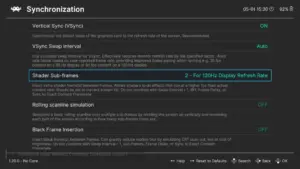
However, recent breakthroughs in display science have bridged the gap between analog heritage and digital precision. Innovations such as the BlurBusters CRT Beam Racing Simulator—integrated natively into modern emulation suites like RetroArch—reintroduce the precise phosphor scanning behaviors of vintage televisions onto modern OLED panels.
Combined with advanced GPU shaders that simulate scanline bleed, shadow masks, and native frame pacing, players can finally experience PlayStation 2 software precisely as its creators intended: operating at rock-solid framerates, free of digital harshness, and perfectly harmonized with the physics of the beam. The hardware constraints that once forced developers into ingenious corners have ultimately secured the PS2’s status as a masterclass in resourceful engineering.