
The Digital Erosion of Physical Retail: Call of Duty: Modern Warfare 4 and the Switch 2 "Code-in-Box" Controversy
Executive Overview
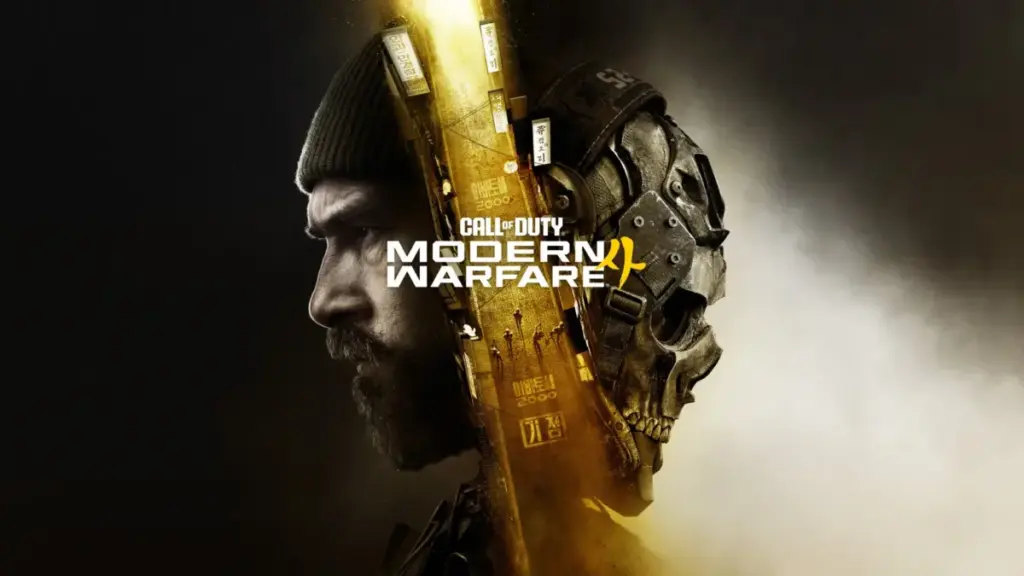
The shifting sands of the video game industry have long pointed toward a predominantly digital future, yet a fierce rearguard action has been fought by collectors, independent retailers, and physical-media purists. That ideological and economic battleground has just claimed another high-profile casualty. In a move that has sent shockwaves through the independent retail community, North America’s premier independent video game retailer and distributor, Video Games Plus (VGP), revealed that the upcoming blockbuster Call of Duty: Modern Warfare 4 will launch on the Nintendo Switch 2 as a "code-in-box" release this October.
This announcement means that consumers purchasing a physical retail box for the heavily anticipated shooter will find no traditional game card or even a specialized Game-Key Card inside. Instead, they will unbox a plastic case containing nothing more than a digital redemption voucher.
For VGP, this development was the tipping point. In an unprecedented and uncompromising public statement, the independent distributor drew a hard line in the sand, announcing that it will refuse to stock Call of Duty: Modern Warfare 4 for the Switch 2, alongside other digital-only box formats. VGP’s stark warning—that the accelerating shift toward empty packaging threatens the very essence of physical media ownership—underscores a growing chasm between platform holders, major publishers, and the retail partners who built the industry. This controversy is not merely about a single SKU or a single platform; it is a critical bellwether for the future of digital-versus-physical preservation, consumer rights, and the sustainability of brick-and-mortar retail in an increasingly cloud-bound ecosystem.
Detailed Chronology
The Buildup to the Switch 2 Launch
The path leading to the Call of Duty: Modern Warfare 4 controversy has been paved with years of incremental changes in how publishers deliver software to consumers. Ever since the widespread adoption of broadband internet transformed home consoles into always-connected entertainment hubs, publishers have sought ways to bypass the manufacturing, shipping, and inventory overhead associated with physical cartridges and optical discs.
For Nintendo platforms historically, the physical medium remained king, protected by proprietary flash-memory cartridges that offered instant-on, portable gaming. However, as next-generation hardware specifications ballooned—culminating in the highly anticipated architecture of the Nintendo Switch 2—game file sizes expanded exponentially. Blockbuster releases like Call of Duty routinely demand upwards of 100 gigabytes of storage space, stretching the limits of cost-effective cartridge production.
The Revelation from Video Games Plus
The breaking point occurred on an ordinary morning when logistics and inventory allocations for the upcoming autumn release schedule were being finalized. Video Games Plus, known industry-wide for championing niche releases, physical variants, and collector editions, received confirmation regarding the retail configuration of Call of Duty: Modern Warfare 4 on the Nintendo Switch 2.
Rather than receiving physical game cards that could be traded, resold, or permanently added to a collector’s shelf, VGP discovered that the publisher intended to distribute the game via empty retail boxes containing download codes.
Realizing the broader implications for the market, VGP took to social media to break the news to the gaming public. The announcement instantly pierced the gaming news cycle, shifting the conversation away from gameplay mechanics, frame rates, and cross-play capabilities, and turning it directly toward consumer advocacy and retail ethics.
The Industry-Wide Ripple Effect
VGP’s subsequent public declarations revealed that Call of Duty: Modern Warfare 4 on the Switch 2 is far from an isolated incident. Instead, it is part of a coordinated, industry-wide slide toward deceptive packaging. VGP highlighted a troubling trend encompassing multiple platform flagships:
- Grand Theft Auto VI (PlayStation 5 / Xbox Series X|S)
- Diablo IV (Nintendo Switch 2)
- Call of Duty: Modern Warfare 4 (Nintendo Switch 2)
By exposing these titles as systematic "code-in-box" or purely digital footprint releases masquerading as physical goods, VGP ignited a broader consumer rights debate. The community was left to ponder a sobering reality: are consumers paying full retail price for physical collectibles, or are they simply buying decorated plastic landfill items that grant temporary access to remote servers?
Supporting Context & Metrics
The Economics of Physical Versus Digital Media
To understand why publishers are rapidly abandoning traditional cartridges and discs, one must analyze the stark economic differences between physical and digital distribution.
- Manufacturing and Supply Chain Costs: Producing high-capacity proprietary game cards for Nintendo hardware incurs significant manufacturing overhead. Global supply chain disruptions, raw material costs, and silicon pricing fluctuations mean that physical production eats directly into publisher profit margins.
- The Retail Middleman: Traditional retail requires wholesale discounting, warehousing, storefront distribution, and revenue sharing. Digital storefronts (and code-in-box models that reduce logistical footprints) allow publishers to capture a vastly superior percentage of every transaction dollar.
- The Used Game Market: Physical media permits a secondary market. When a player finishes a game like Call of Duty, they can trade it in at an independent store like VGP, putting funds toward their next purchase. Digital licenses, by contrast, are strictly non-transferable, effectively killing the used-game economy—a market that historically sustained independent brick-and-mortar retailers through lean development cycles.
Consumer Rights and Digital Obsolescence
The rise of the code-in-box format revives critical legal and consumer-protection concerns regarding digital ownership:
- The Illusion of Ownership: When a consumer purchases a traditional cartridge, they own a tangible artifact that can be played indefinitely, independent of corporate servers, licensing renewals, or online infrastructure longevity. A download code is merely a revocable license to access software.
- Server Sunsetting: History has repeatedly shown that digital storefronts close, servers go offline, and publishers revoke access to legacy titles. Without a physical binary on a local card or disc, games preserved only via redemption codes face eventual, permanent erasure.
- Environmental Impact of Deceptive Packaging: Environmental advocates have also criticized the code-in-box format. Shipping oversized plastic amaray cases, cover art, and paper inserts solely to deliver a 16-character alphanumeric string is an inefficient use of petrochemicals and shipping fuel compared to pure digital delivery—yet it retains the ecological footprint of physical goods without any of the permanence benefits.
Official Statements and Industry Reactions
The fallout from Video Games Plus’s stand against Call of Duty: Modern Warfare 4’s distribution model has polarized the gaming ecosystem, drawing impassioned responses from independent vendors, consumer advocates, and digital enthusiasts alike.
The Video Games Plus Manifesto
In their definitive statement released to the public, VGP outlined not only their commercial decision but an ideological defense of tangible gaming culture:
"The future of physical gaming should concern every physical game fan… GTA VI — PS5 / Xbox Series X|S. Diablo IV — Nintendo Switch 2. Call of Duty: Modern Warfare 4 — Nintendo Switch 2. All code-in-box releases.
And if it’s just a box with a download code inside, VGP won’t be carrying it. We believe physical games should actually be physical games. If you want the disc or cartridge, we’ll be here fighting for it."
This declaration is a calculated commercial gamble. By turning away inventory for juggernaut franchises like Call of Duty—which traditionally guarantee millions of dollars in global day-one sales—VGP is prioritizing brand identity and consumer trust over short-term revenue.
Reactions from the Independent Retail Community
Across North America and Europe, independent game store owners have voiced solidarity with VGP’s stance. Many small businesses report that code-in-box items are notoriously difficult to sell to traditional collectors, who view them as fraudulent representations of goods. Furthermore, because these items often end up heavily discounted or sitting indefinitely on shelves once customers realize no cartridge is included, they tie up valuable retail capital with little return.
Publisher Silence and Platform Holder Stance
Major publishers, including Activision (subsidiary of Microsoft) and Nintendo, have remained largely quiet regarding the specific retail backlash led by VGP. From the perspective of platform holders like Nintendo, encouraging the transition to digital infrastructure or hybrid solutions helps manage cartridge production constraints while accommodating massive multi-platform games that exceed traditional storage capacities. However, this corporate efficiency comes at the direct expense of retail diversity and consumer choice.
Future Outlook
As the industry marches deeper into the latter half of the decade, the controversy surrounding Call of Duty: Modern Warfare 4 on the Nintendo Switch 2 serves as a vital watershed moment. Several key trajectories are poised to shape the immediate future of the medium:
1. Deepening Polarization of Retail Formats
The video game market is splitting into two distinct ideological camps:
- The Convenience Stream: A mainstream majority that prefers instant digital downloads, subscription passes (such as Xbox Game Pass or Nintendo Switch Online libraries), and cloud-streamed titles where physical clutter is eliminated.
- The Preservationist Niche: A dedicated, highly vocal minority of collectors, retro enthusiasts, and purists who view physical media as an essential art form demanding physical preservation, legal protection, and independent retail support.
2. The Survival Strategy for Independent Retailers
Stores like Video Games Plus are setting a new precedent for independent commerce. By refusing to act as unwitting accomplices to the death of physical media, independent retailers are transforming themselves into specialized curators. Rather than pushing mass-market digital code-in-box products, indie stores are likely to double down on boutique physical publishers (such as Limited Run Games, Fangamer, and Super Rare Games) who specialize in true, cartridge-and-disc-based physical releases for indie and retro-leaning titles.
3. Regulatory and Legal Scrutiny
As consumer awareness grows regarding the ephemeral nature of digital licenses and code-in-box deception, regulatory bodies in various jurisdictions—particularly within the European Union—are likely to face mounting pressure to investigate deceptive retail practices. Laws requiring clear, unambiguous labeling on storefront shelves regarding whether a product contains actual playable software code on physical media may become a legal necessity to protect uninformed consumers from purchasing empty boxes.
Conclusion
Call of Duty: Modern Warfare 4 launching as a code-in-box release on the Nintendo Switch 2 is much more than a logistical footnote in an upcoming product catalog. It is a flashpoint in an existential war over ownership, preservation, and the soul of video game retail. While publishing conglomerates will undoubtedly continue to push for margin-maximizing digital formats, the fierce pushback led by distributors like Video Games Plus ensures that the fight for physical media will not go down without a passionate, uncompromising defense.