In the ever-evolving landscape of modern multiplayer game design, few studio philosophies command as much reverence—or instil as much calculated dread—as those of FromSoftware. Renowned worldwide for genre-defining single-player masterworks such as Dark Souls, Bloodborne, Sekiro: Shadows Die Twice, and the monumental open-world triumph Elden Ring, the Japanese powerhouse is once again charting unfamiliar territory.
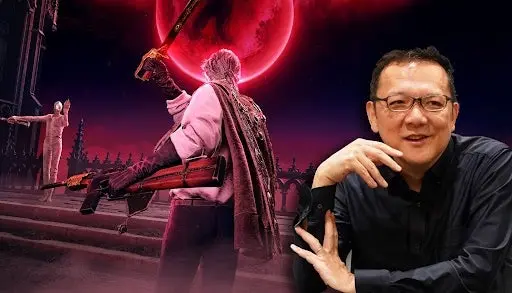
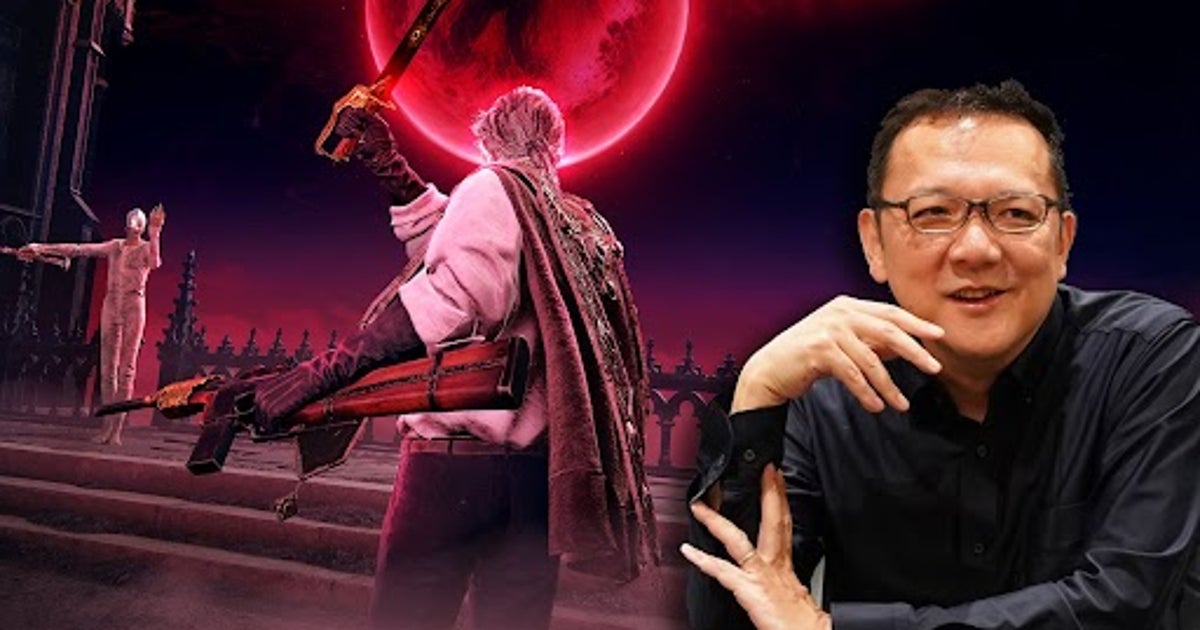
With The Duskbloods—an upcoming, highly anticipated exclusive heading to Nintendo’s successor platform, the Switch 2—FromSoftware is stepping boldly into the contentious arena of multiplayer matchmaking. In a comprehensive interview with IGN, FromSoftware president and The Duskbloods director Hidetaka Miyazaki confirmed that the studio plans to implement a robust, skill-based matchmaking (SBMM) system alongside a dedicated ranked structure.
The primary objective? To bridge the notoriously intimidating chasm between seasoned, hardcore veterans and wide-eyed newcomers. In a genre historically defined by trial-and-error, unforgiving learning curves, and merciless player-versus-player (PvP) invasions, FromSoftware’s pivot toward protective matchmaking marks a fascinating cultural and design shift. However, as Miyazaki was quick to point out, the studio is carefully walking a tightrope: ensuring modern accessibility while preserving the signature tension, mystery, and community-driven spirit that fans have cherished for over a decade.
Detailed Chronology: From Network Tests to Nintendo Directs
The roadmap leading to The Duskbloods has been anything but conventional. As FromSoftware continues to diversify its output alongside concurrent projects like Elden Ring: Nightreign, the timeline of the game’s reveal highlights a deliberate, calculated rollout aimed at gathering raw data from the player base.
June 2026: Nintendo officially pulls back the curtain on The Duskbloods during a major Nintendo Direct broadcast, confirming its status as a marquee exclusive for the upcoming Switch 2 hardware. Alongside the cinematic reveal, FromSoftware announces an immediate Closed Network Test, sending shockwaves through the community as players parse the game’s shift toward heavy multiplayer infrastructure.
Late August 2026 (The Current Phase): FromSoftware launches a high-stakes, multi-phase Network Test weekend. Running across successive phases from August 21st to August 24th, the test acts as a stress-test for the title’s netcode, server stability, and experimental mechanics, such as the newly introduced Sigil and Virtue point systems.
Post-Test Evaluation Period: Following the data harvest from the August test weekend, development teams in Tokyo are tasked with refining core systems. Miyazaki has explicitly noted that features like strict skill-based matchmaking and long-term veteran-to-newcomer collaboration loops may not be fully active at launch, but are undergoing active architectural consideration based on real-time telemetry and community feedback.
Supporting Context & Metrics: The SBMM Debate and the FromSoftware Paradigm
To understand why FromSoftware’s adoption of skill-based matchmaking is generating massive ripples across the industry, one must examine the broader cultural context of modern competitive gaming.
The Flashpoint of Modern Multiplayer
For years, SBMM has been one of the most divisive subjects in the gaming community. Titles like Activision’s Call of Duty franchise and Respawn Entertainment’s Apex Legends have frequently faced intense backlash from vocal segments of their player bases. Critics of strict matchmaking algorithms argue that SBMM turns casual playlists into sweat-soaked competitive arenas, eliminating casual variety and punishing players simply for improving over time.
Conversely, developers champion SBMM as an essential safety net. Without it, new or casual players are routinely fed into matches against hyper-optimized veterans, leading to immediate frustration, rapid churn, and a dead community.
FromSoftware’s Unique Challenge
Applying SBMM to a FromSoftware game, however, breaks traditional industry molds. Historically, Soulsborne titles utilized an organic, asynchronous multiplayer framework: summon signs, bloodstains, and unannounced invasions. While these systems created an iconic, shared sense of isolation and peril, they also exposed fresh players to merciless "taunting" and overpowering builds wielded by veterans who had mastered the game’s mechanics down to individual frame data.
With The Duskbloods, FromSoftware is tasked with maintaining that electric sense of danger while acknowledging that a purely darwinian matchmaking pool on a brand-new console ecosystem could alienate millions of Switch 2 adopters who may not possess mechanical mastery over action-RPG combat loops.
Official Statements & Design Philosophy: Insights from Hidetaka Miyazaki
Speaking candidly to IGN, Hidetaka Miyazaki shed light on how FromSoftware intends to balance competitive integrity with community warmth. Rather than treating newcomers as cannon fodder, the studio envisions an ecosystem where experience translates into mentorship rather than hostility.
On Ranked Systems and Player Segregation
Addressing the core matchmaking architecture, Miyazaki confirmed that the game will lean heavily on tiered progression:
"In terms of really, really good players, we definitely plan on having the matchmaking system work in a way so that it’s ranked, and players who are really good tend to be matched with other players who are great, and players who are new tend to be matched with other new players just to avoid situations like you had mentioned."
However, Miyazaki understands that rigid matchmaking walls can isolate communities. To combat this, FromSoftware is designing alternative entry points for players who might struggle with raw mechanical execution:
"Another element is that, even if you’re not necessarily always winning the matches or making it to the end, there are things that you can unlock through just gameplay like story content and customisation for your character, which should allow you to enjoy it outside of the actual combat. We’re hoping that can at least draw players in initially—they can enjoy the game for what it is, and enjoy the story and the world. And then from there, if they want to continue to get better at the actual matches, then that’s something that they can do as well."
Reimagining the Veteran-Newcomer Dynamic
Perhaps the most intriguing aspect of Miyazaki’s interview involves how veterans and novices will interact inside the game world. Rather than keeping them entirely partitioned, FromSoftware is exploring collaborative systems that mirror the iconic cooperative DNA of Dark Souls.
"We’re definitely considering ways to build a relationship between veteran players and new players—something that’s positive and not always scary or something they’d want to avoid," Miyazaki explained.
"For example, things like event customisation, having certain in-match events be very rare or have higher chances of appearing if you’re in a game with someone who has been playing for a really long time. Or having the Alliance system done in a way where you can specifically say that you want to be paired with someone who’s really good and has a high rank. And the player who’s high-rank can maybe have their settings prioritise pairing with newcomers if they want to help them out, very similar to leaving signs in front of a boss in our other games."
Miyazaki emphasized that the studio’s overarching goal is mutual benefit—ensuring veterans feel valued for their mastery while newcomers feel welcomed rather than preyed upon:
"Making sure they’re not split to where they don’t want to interact with each other. It’s definitely something to consider and something we want to look at in a positive way."
Future Outlook: A Temporary Departure or a New Horizon?
As the August Network Test phases conclude, all eyes turn toward the performance and reception of The Duskbloods on Nintendo’s next-generation hardware. The implementation of nuanced matchmaking, paired with experimental mechanics like the Sigil and Virtue point systems, will dictate how the community receives FromSoftware’s bold multiplayer experiment.
It is worth noting that FromSoftware’s sudden dip into multiplayer waters—encompassing both The Duskbloods and the upcoming Elden Ring: Nightreign—does not signal a permanent abandonment of the studio’s storied single-player roots. Miyazaki has previously gone on record to reassure fans that the heavy multiplayer focus of these titles is largely coincidental in terms of scheduling and creative exploration. Once these projects cross the finish line, the director has hinted at an inevitable return to the sprawling, solitary narrative adventures that put the studio on the map.
Until then, The Duskbloods stands as a fascinating crucible. Whether its skill-based matchmaking and innovative alliance structures can successfully tame the notoriously cutthroat nature of online action remains the ultimate question. If any studio has the pedigree to turn multiplayer apprehension into a masterclass in community design, however, it is FromSoftware.