The Boutique Die-Cast Revolution: Inside Tomindo’s Quest to Do What Hot Wheels Won’t for Retro Gaming Collectors
Executive Overview
In the multi-billion-dollar global toy market, a quiet revolution is taking place at the intersection of nostalgia, artisanal craftsmanship, and digital grassroots marketing. For decades, conglomerates like Mattel and Hasbro have dominated the die-cast vehicle and pop-culture collectible landscapes. However, as corporate product pipelines favor mass-market appeal and simplified designs to maximize profit margins, adult collectors—often referred to in the industry as the "kidult" demographic—are increasingly left yearning for deeper, more authentic representations of their favorite childhood intellectual properties (IP).
Enter Tomindo_ID (Tomindo), a boutique design collective based in Indonesia that is rapidly capturing the attention of retro gaming enthusiasts and die-cast collectors worldwide. Operating primarily through Instagram and direct-to-consumer messaging pipelines, Tomindo has carved out a highly profitable niche by producing ultra-detailed, custom-made toy cars inspired by legendary gaming franchises.
Their latest announcement—the "Kokiri Transport", a transforming, Legend of Zelda-themed custom truck scheduled for release in early September 2026—has ignited widespread discussion across the gaming and collecting communities. Priced at approximately $51, this highly intricate, small-batch collectible represents a growing trend: independent artisans stepping in to fulfill the specialized demands of a consumer base that global toy giants have largely neglected.
This investigative report examines the rise of Tomindo, the intricate mechanics of the custom die-cast subculture, the economic realities of the boutique toy market, the legal gray areas of fan-made physical collectibles, and what this phenomenon signals for the future of licensed merchandise.
Detailed Chronology
[Late 2024 - Mid 2025] ----------------> [Early 2026] -----------------------> [August 2026] --------------> [September 2026]
Tomindo_ID builds regional               Global expansion via viral             "Kokiri Transport"           Scheduled release of
reputation with custom retro             Instagram showcases; launches          Zelda truck announced;       the "Kokiri Transport"
gaming die-cast series.                  Pokémon & Game Boy lines.              pre-orders open.             and custom shipments.
The Origins of a Viral Customizer
Tomindo began as a localized passion project in Indonesia, a country boasting one of the most vibrant and technically skilled die-cast customizing communities in the world. Initially focusing on standard Hot Wheels modifications—such as wheel swaps, custom paint jobs, and minor bodywork—the creators behind Tomindo quickly realized that their deepest passion lay in retro video games.
Between late 2024 and mid-2025, Tomindo began experimenting with holistic custom builds. Rather than simply painting a character’s face onto the side of a generic van, they began redesigning the physical structures of toy vehicles to evoke the console hardware and gameplay mechanics of the 1980s and 1990s. Early releases featuring motifs from the Nintendo Famicom, the original Game Boy, and Sega’s Sonic the Hedgehog garnered intense regional interest.
The Pokémon Breakout and Global Recognition
By early 2026, Tomindo’s Instagram page experienced exponential growth. The catalyst was a series of custom Pokémon transport trucks. These vehicles featured functional rear beds designed to look like Pokéballs that could open up to reveal miniature, hand-painted dioramas of classic starter Pokémon in their natural habitats.
The viral success of the Pokémon line forced the small Indonesian team to transition from a casual hobbyist group into a structured, albeit unconventional, international business. They established a numbered-batch production system to manage the overwhelming demand from collectors in North America, Europe, and Japan.
The "Kokiri Transport" Announcement
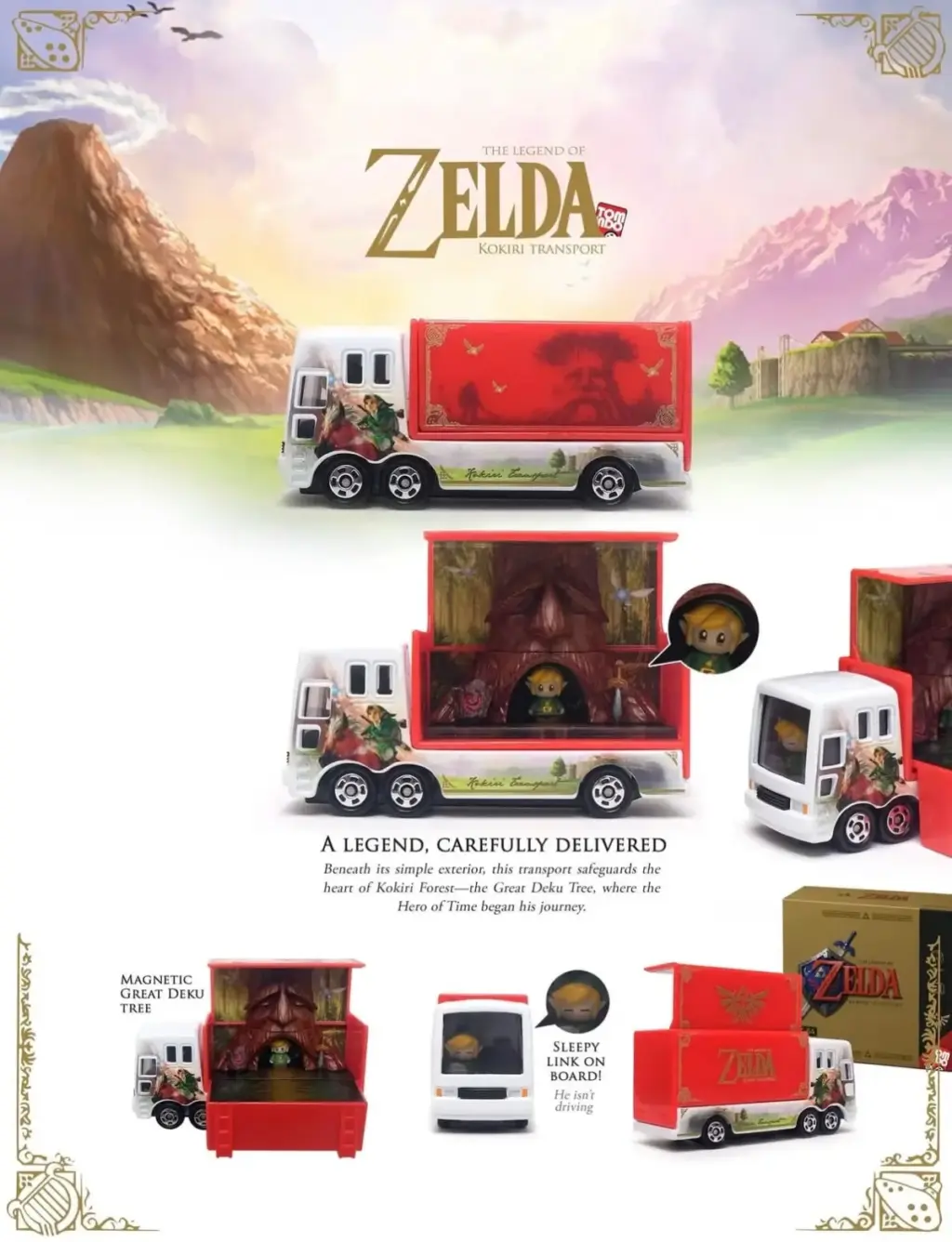
On August 6, 2026, Tomindo officially unveiled its most ambitious project to date: the "Kokiri Transport" truck, a love letter to Nintendo’s seminal 1998 masterpiece, The Legend of Zelda: Ocarina of Time.
+-------------------------------------------------------------------+
|                     TOMINDO "KOKIRI TRANSPORT"                    |
|                        [Est. Price: $51.00]                       |
+-------------------------------------------------------------------+
|  [Cab Cabin]                                                      |
|   └─ Hidden "Sleepy Link" micro-figure nestled inside.            |
|                                                                   |
|  [Transforming Trailer]                                           |
|   └─ Folds open to reveal the Great Deku Tree diorama.            |
|                                                                   |
|  [Aesthetic Design]                                               |
|   └─ Organic wooden textures, Kokiri forest color palette.        |
+-------------------------------------------------------------------+
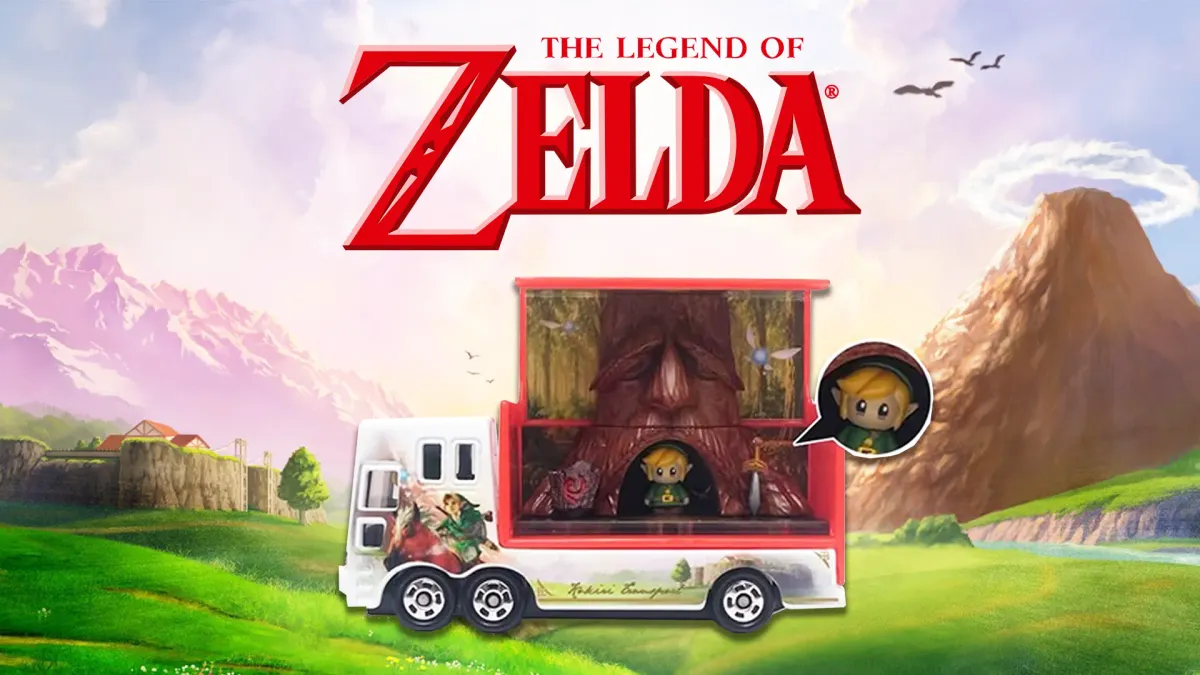
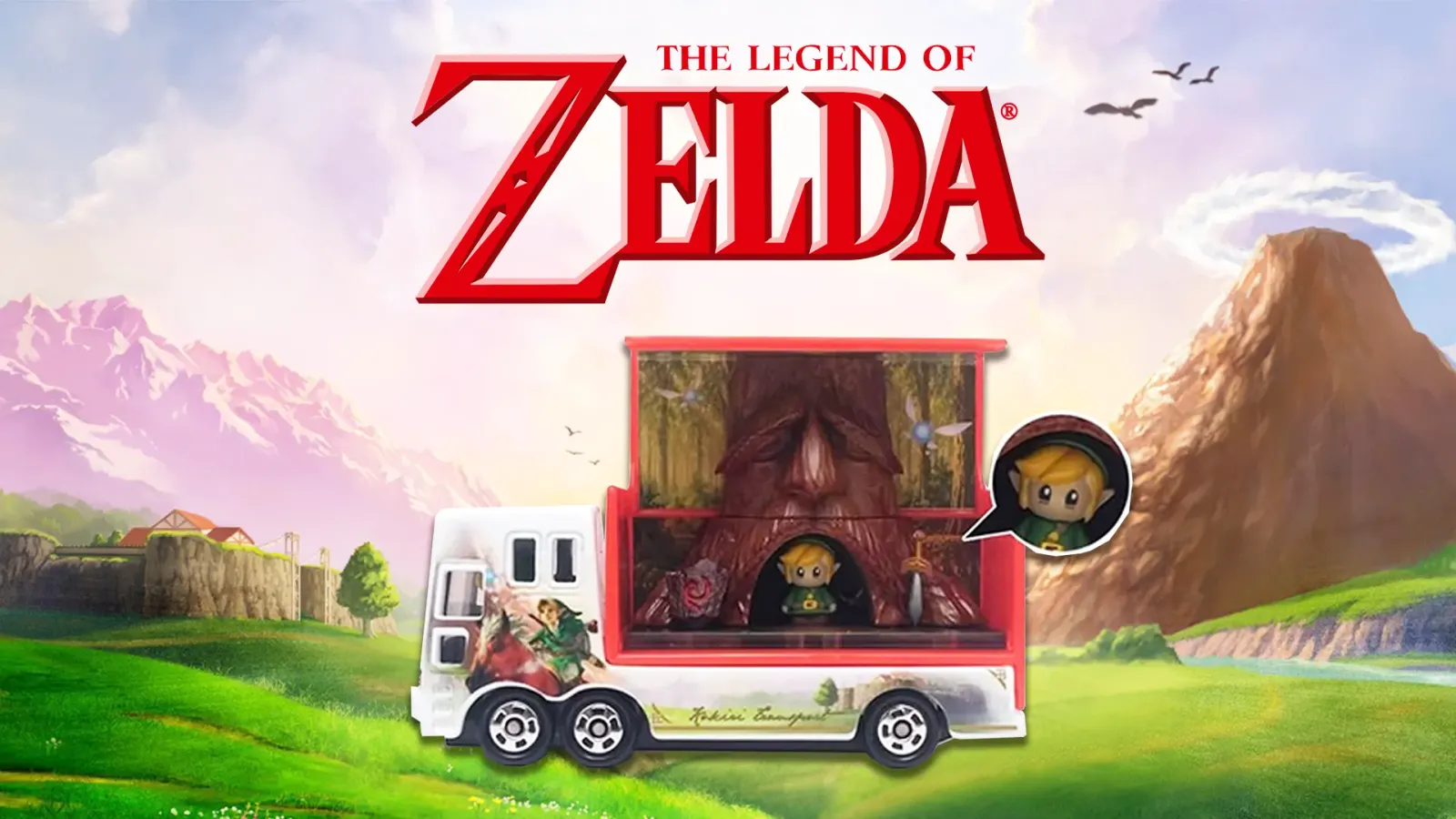
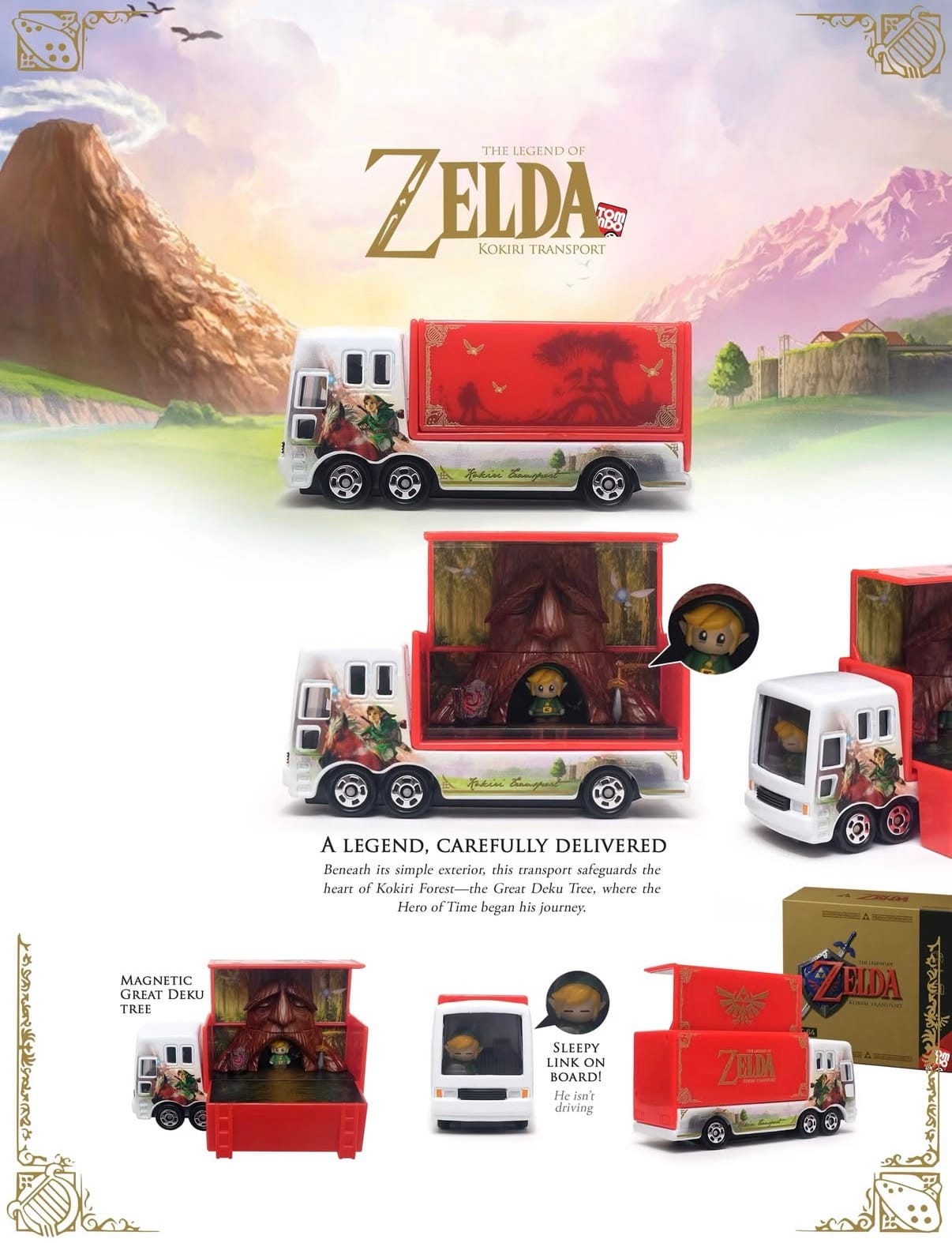
Scheduled for an "early September" release, the Kokiri Transport is a cab-over-engine truck stylized with organic, wood-grain textures and the signature forest-green color palette of the Kokiri Forest. The vehicle’s primary feature is its playability and transformational mechanics:
- The Transforming Trailer: The rear cargo bed folds outward and upward, transforming into a miniature diorama representing the Great Deku Tree, complete with tiny foliage and nostalgic environmental details.
- The Cabin Secret: Inside the front cabin of the truck, visible through a tiny clear windshield, sits a hidden, microscopic figure of "Sleepy Link" resting before his epic quest begins.
Supporting Context & Metrics
To understand why a $51 custom toy truck from Indonesia is generating such intense market gravity, one must examine the broader economic and cultural forces shaping the modern toy industry.
The Rise of the "Kidult" Market
According to data from market research firms like Circana, adult collectors (aged 18 and older) are now the most vital driver of growth in the global toy industry. In recent fiscal years, this demographic accounted for over $9 billion in sales globally, overtaking even the preschool segment in total market value.

| Metric / Demographic | Mass-Market (e.g., Mattel Hot Wheels) | Boutique Custom (e.g., Tomindo) |
|---|---|---|
| Average Retail Price | $1.25 – $5.00 (Mainline) | $45.00 – $75.00 |
| Production Scale | Millions of units per run | 50 – 500 units per batch (Numbered) |
| Target Audience | Children (3+) & General Collectors | Hardcore Adult Collectors ("Kidults") |
| Material Quality | Machine-painted die-cast alloy/plastic | Hand-painted resin, custom decals, premium alloys |
| IP Depth | Surface-level graphics (decals) | Deep-cut lore, structural transformations |
While major manufacturers have attempted to capture this market through premium adult-focused lines (such as Hot Wheels Premium or Matchbox Collectors), their corporate structures require high production volume and broad IP appeal. A corporation cannot easily justify a production run of only 300 highly complex, transforming Zelda trucks. This operational gap leaves a lucrative vacuum that small-scale customizers are eager to fill.
The Technical Artistry of Die-Cast Customization
The creation of a Tomindo custom vehicle is a highly labor-intensive process that justifies its premium $51 price tag. Unlike mass-produced toys, which rely on automated pad-printing (tampo) and injection molding, Tomindo’s production pipeline involves several handcrafted stages:
[Donor Vehicle Stripping] ──> [3D Resin Sculpting] ──> [Hand-Painting & Decals] ──> [Custom Blister Packaging]- Donor Vehicle Stripping: The process often begins with a standard die-cast chassis, which is drilled open, stripped of its factory paint using chemical baths, and prepared for structural modification.
- 3D Sculpting & Resin Printing: Custom cabs, trailers, and micro-figures (like the "Sleepy Link" or the Deku Tree elements) are digitally sculpted in CAD software and printed using high-resolution engineering-grade resins.
- Hand-Painting & Detailing: Each vehicle is hand-primed, airbrushed, and detailed by local artisans. Water-slide decals are applied individually before a protective 2K clear coat is sprayed to ensure durability and a glossy, professional finish.
- Artisanal Packaging: A crucial element of the appeal is the packaging. Tomindo designs custom blister cards featuring nostalgic, game-accurate artwork that mimics the aesthetic of vintage toy packaging from the 1980s and 90s. For many collectors, the card art is just as valuable as the vehicle itself.
The Logistics of the Underground Toy Market
The unconventional purchasing process used by Tomindo highlights the unique challenges faced by independent creators operating in the international market.
+-----------------------------------------------------------------------------+
|                      THE CUSTOM TOY PURCHASE PIPELINE                       |
+-----------------------------------------------------------------------------+
|  [Step 1: Discovery]     --> Instagram Showcase (@tomindo_id)               |
|  [Step 2: Communication] --> Direct WhatsApp Link (Inquiry & Pricing)       |
|  [Step 3: Transaction]   --> International Bank Transfer / PayPal           |
|  [Step 4: Production]    --> Made-to-Order / Small Numbered Batches (Weeks) |
|  [Step 5: Fulfillment]   --> Global Shipping from Indonesia                 |
+-----------------------------------------------------------------------------+
For Western consumers accustomed to the frictionless, single-click checkout experiences of Amazon or Shopify, acquiring a Tomindo car can feel like navigating an underground market.
- The WhatsApp Pipeline: To secure a vehicle, buyers must navigate from Tomindo’s Instagram page to a direct WhatsApp chat link. All negotiations, stock inquiries, and payment arrangements are conducted manually via direct messaging with a representative in Indonesia.
- The Trust Factor: While this informal approach initially raises red flags for fraud-weary consumers, Tomindo has established a reputation for high-touch customer service. Inquiries are typically answered within hours, and international buyers receive photographic updates of their specific vehicles during the production phase.
- The Lead-Time Reality: Because each piece is hand-finished in numbered, limited-run batches, shipping times can stretch to several weeks or even months. Yet, for the dedicated collector, this delay only heightens the sense of exclusivity and anticipation.
Official Statements & Intellectual Property Realities
The Nintendo Dilemma: A High-Wire Act
The elephant in the room for Tomindo, and the custom toy community at large, is the aggressive defense of Intellectual Property by gaming giants—most notably, Nintendo of America and its parent company in Kyoto. Nintendo is legendary within the entertainment industry for its zero-tolerance policy regarding unauthorized use of its characters, trademarks, and copyright designs.
From shutting down fan-made games (like Project AM2R) to issuing sweeping DMCA takedowns against ROM distribution sites and creators of custom physical merchandise, Nintendo’s legal department is formidable.
                                  ┌───────────────────────────┐
                                  │      Nintendo IP Law      │
                                  └─────────────┬─────────────┘
                                                │ (Aggressive DMCA / Cease & Desist)
                                                ▼
┌───────────────────────────┐     ┌───────────────────────────┐     ┌───────────────────────────┐
│     Mass Distribution     │     │   Custom / Fan Art Gray   │     │    Physical Boutique      │
│  (ROMs, Fan Games, Prints)│     │           Zone            │     │    (Small-Scale Craft)    │
└─────────────┬─────────────┘     └─────────────┬─────────────┘     └─────────────┬─────────────┘
              │                                 │                                 │
              ▼ (High Risk)                     ▼ (Medium Risk)                   ▼ (Low-to-Medium Risk)
However, small-scale physical customizers like Tomindo occupy a unique legal gray zone:
- The Fan Art Defense: Many customizers argue that their creations are physical "fan art" rather than mass-market counterfeits. Because each piece is handmade and sold in highly restricted quantities, they argue it does not actively compete with or dilute Nintendo’s official retail offerings.
- Geographic Protections: Operating out of Indonesia provides a degree of practical insulation from Western civil litigation. While international copyright treaties (such as the Berne Convention) exist, executing cross-border IP enforcement against a small, decentralized team of independent artisans is often deemed economically inefficient for major corporations, provided the operation remains relatively small.
- The Packaging Shield: To mitigate legal risks, many customizers avoid using official logos on their packaging, instead opting for clever parodies, homages, or generic descriptions (such as "Kokiri Transport" instead of "Official Nintendo Zelda Truck").
Collector Sentiment and Market Integrity
Despite the unorthodox ordering process and inherent legal risks, the collector community has rallied behind Tomindo. The consensus among enthusiasts is that if official licensees refuse to produce high-concept, deeply nostalgic collectibles, independent artists have a moral right—and a clear economic incentive—to fill the void.
As retro gaming journalist Brandon Saltalamacchia observed:
"We’re all waiting for Hot Wheels to do some cool collaborations in the retro gaming space… they’re not really retro gaming focused, and that’s why Tomindo are building their own, with incredibly nostalgic packaging too."
Future Outlook
The trajectory of Tomindo points toward a larger shift in the collector economy. As manufacturing technology becomes more accessible and global logistics networks more interconnected, the barrier to entry for boutique toy brands is collapsing.
+-----------------------------------------------------------------------------+
|                       THE FUTURE OF BOUTIQUE COLLECTIBLES                   |
+-----------------------------------------------------------------------------+
|  [Phase 1] Localized customizers utilizing hand-tools and donor cars.        |
|                                     │                                       |
|                                     ▼                                       |
|  [Phase 2] High-resolution 3D printing and global DTC social commerce.      |
|                                     │                                       |
|                                     ▼                                       |
|  [Phase 3] Decentralized micro-factories challenging corporate licensing.   |
+-----------------------------------------------------------------------------+
The Expansion of the Boutique Micro-Factory
Tomindo’s success is likely to inspire a wave of similar micro-factories across Southeast Asia and Latin America, regions with rich histories of automotive appreciation and artisanal craftsmanship. We are entering an era where a team of five dedicated artists with three high-end resin printers and an Instagram account can successfully challenge the creative output of a Fortune 500 toy company.
The Corporate Response: Co-Opt or Combat?
As these boutique operations grow in scale and revenue, major toy companies will face a critical strategic choice:
- Litigate: Pursue aggressive legal crackdowns to protect their exclusive licensing monopolies, risking public relations backlash from their most passionate fans.
- Collaborate: Embrace the "creator economy" by hiring these independent designers or establishing official, limited-run licensing programs that allow customizers to operate legally in exchange for royalty shares.
- Imitate: Elevate their own design standards, shifting away from generic graphics and investing in the deep-cut, structurally complex designs that collectors are currently paying premiums to acquire on the secondary market.
For now, the "Kokiri Transport" stands as a testament to the power of independent creativity. It is a physical manifestation of what happens when passion, craftsmanship, and a deep love for gaming history converge to fill a void that corporate spreadsheets simply cannot comprehend. Whether this golden age of boutique custom toys will persist, or be brought to a halt by corporate legal departments, remains to be seen. But for the lucky few who secure a numbered Tomindo box this September, a small piece of childhood magic will have successfully made the journey from an Indonesian workshop to their display shelves.