The Hand-Pixelled Revival: Inside the Development of "Crash Bandicoot Twisted" and the GBA Demake Movement
Executive Overview
In the modern landscape of video game development, the concept of the "demake"—the intentional retrofitting of a modern or technologically advanced game into the hardware constraints of a bygone era—has transitioned from a niche hobbyist pastime into a celebrated art form. The latest project capturing the attention of retro gaming enthusiasts and industry observers alike is Crash Bandicoot Twisted, a solo-developed fan project spearheaded by an independent creator known online as FengShuiAvenger.
Rather than attempting to port the complex 3D environments of the original PlayStation classics directly, FengShuiAvenger has embarked on an ambitious journey to reimagine the franchise’s handheld legacy. Specifically, the developer is rebuilding the experience for the Game Boy Advance (GBA) utilizing a meticulously hand-crafted, high-fidelity pixel art style.
This investigative report examines the development of Crash Bandicoot Twisted, analyzing its technical execution, its relationship to the historic GBA titles developed by Vicarious Visions, the community’s response to its aesthetic choices, and the broader legal and creative implications of fan-driven retro development in 2026.
Detailed Chronology of Development
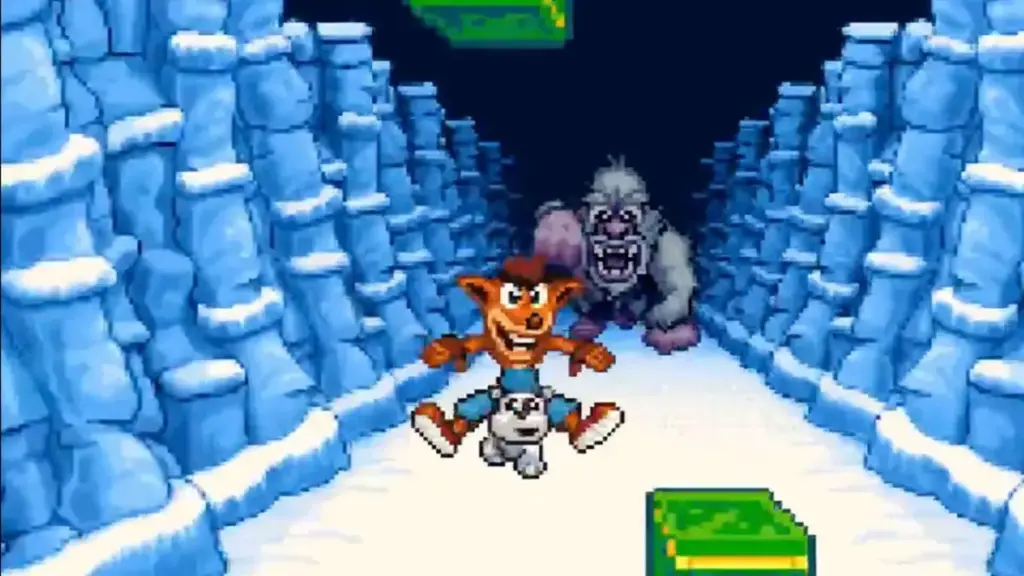
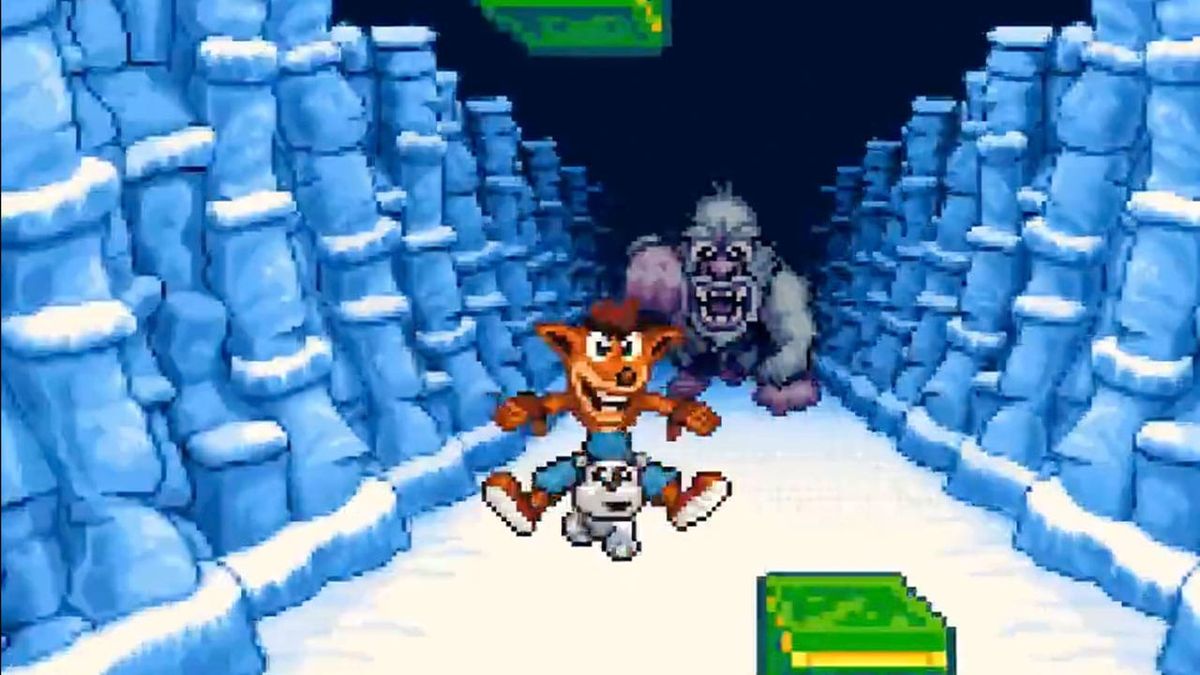
The public genesis of Crash Bandicoot Twisted traces back to a series of developmental updates shared by FengShuiAvenger across specialized retro gaming forums and Reddit communities. The project gained mainstream traction in early August 2026, culminating in a viral social media moment on August 2, 2026, when gaming commentator Ariel Combo (@arielsis) shared gameplay footage on X (formerly Twitter). The footage showcased a beautifully realized rendition of a "Yeti Chase" level, a staple obstacle course format that immediately evoked memories of the franchise’s golden era.
[Early Development Phase] -> [Reddit Community Proof-of-Concept]
                                    |
                                    v
[August 2, 2026: Viral X/Twitter Showcase by Ariel Combo]
                                    |
                                    v
[August 3, 2026: Public Feature Debates & Level Polish Updates]
According to developer updates, the showcased segment represents a nearly finalized version of the game’s primary ice level. While the original Game Boy Advance Crash games relied on pre-rendered 3D graphics converted into 2D sprites—a common practice in the early 2000s to simulate depth—FengShuiAvenger’s approach is entirely hand-pixelled.
The developmental timeline indicates that the creator is systematically deconstructing fan-favorite levels from across the Crash Bandicoot library, optimizing them for a unified, highly stylized 2D engine. The goal is not merely to copy what came before, but to establish a "best of" compilation wrapped in an aesthetic that feels simultaneously nostalgic and fresh.
Supporting Context & Metrics: The Handheld Legacy of Crash Bandicoot
To appreciate the technical hurdles and artistic triumphs of Crash Bandicoot Twisted, one must look at the historical context of the franchise on Nintendo’s 32-bit handheld.
In 2002, Activision and developer Vicarious Visions released Crash Bandicoot: The Huge Adventure (known as Crash Bandicoot XS in Europe). It was a technical marvel for its time, attempting to squeeze the PlayStation’s iconic platforming gameplay into a side-scrolling format.
Visual Methodology Comparison
| Feature | Original GBA Crash (Vicarious Visions, 2002) | Crash Bandicoot Twisted (FengShuiAvenger, 2026) |
|---|---|---|
| Graphics Style | Pre-rendered 3D-to-2D sprites | Hand-drawn, high-contrast pixel art |
| Visual Philosophy | Pseudo-3D realism (compressed) | Cel-shaded, timeless retro aesthetic |
| Color Palette | Dominated by compressed gradients | Vibrant, hand-selected limited palette |
| Camera Perspective | Strict linear side-scroller / pseudo-3D | Dynamic 2D with layered parallax scrolling |
The original GBA titles utilized pre-rendered sprites, a technique popularized by Rare’s Donkey Kong Country on the SNES. While visually impressive in 2002, this style has historically aged poorly due to heavy compression artifacts and muddy color palettes required to fit within the GBA’s storage cartridges (typically ranging from 4MB to 32MB).
FengShuiAvenger’s demake bypasses these visual limitations by embracing pure, hand-drawn pixel art. By utilizing sharp outlines and a vibrant color scheme reminiscent of late-era Game Boy Color or high-end Neo Geo Pocket Color titles, Crash Bandicoot Twisted achieves what retro historians call "aesthetic longevity." Like cel-shaded animation, clean pixel art does not age in the way early 3D or pre-rendered graphics do; it remains visually crisp regardless of the display resolution it is scaled to.
Community Reception and the "Visibility Controversy"
Following the August 2026 gameplay reveal, the retro gaming community split into two primary camps regarding the game’s mechanics, sparking a broader discussion on the philosophy of retro level design.
The Praise: Timeless Aesthetics
Many enthusiasts praised the game’s visual clarity. The hand-drawn Yeti, the fluid spin-attack animations of Crash, and the atmospheric parallax scrolling of the icy caverns were lauded as superior to the original 2002 release. The "cutesy" art style was noted for bringing a whimsical charm to the game, contrasting with the intense, sometimes stressful atmosphere of the original PlayStation titles.

The Critique: The "Leap of Faith" Dilemma
Conversely, a vocal segment of players raised concerns regarding the game’s camera positioning. In the revealed Yeti Chase level, the camera is positioned close to Crash as he runs toward the screen (away from the pursuing Yeti). Critics argued that the limited screen real estate of the GBA format—historically restricted to a 240×160 pixel resolution—makes it incredibly difficult to anticipate upcoming obstacles, such as pits, nitro crates, or sudden turns.
Typical Handheld Camera Dilemma:
+------------------------------------------+
| [Yeti] ->       [Crash] ->     [???]     |  <-- Low visibility ahead
+------------------------------------------+
  (Player has milliseconds to react to incoming obstacles)
However, game design defenders point out that this "trial-and-error" loop was a foundational element of original platformers. Classic chase sequences in games like Crash Bandicoot, Sonic the Hedgehog, and Disney’s Aladdin were never designed for sight-reading; they were designed to be memorized. The thrill of the level comes from muscle memory developed over repeated attempts, a design ethos that Crash Bandicoot Twisted appears to preserve faithfully.
Future Outlook & The Legal Tightrope
As FengShuiAvenger continues polish work on the ice levels and expands development to other iconic environments, the project faces the inevitable question that haunts all high-profile fan games: the threat of legal intervention.
The Crash Bandicoot intellectual property is currently owned by Activision Blizzard, a subsidiary of Microsoft under the Xbox Game Studios umbrella. Historically, Activision has maintained a relatively strict stance on unauthorized use of its intellectual properties, occasionally issuing Cease and Desist (C&D) letters to fan projects that gain too much mainstream traction.
However, the landscape in 2026 has shown signs of shifting:
- The "Sonic" Model: Companies like Sega have actively embraced fan developers (most notably hiring Christian Whitehead to develop Sonic Mania).
- The Non-Commercial Safe Haven: Many solo developers mitigate legal risks by releasing their work entirely for free, refusing donations, and framing the project strictly as an educational portfolio piece or a non-commercial tribute.
- Open-Source Assets: Some creators release their engines as open-source frameworks, stripping out proprietary characters to allow the community to use the technology legally.
Whether Crash Bandicoot Twisted will see a complete, multi-world release remains to be seen. For now, the project stands as a testament to the enduring power of retro hardware and the incredible capabilities of solo developers. It proves that even decades after a console’s commercial retirement, the Game Boy Advance remains a vibrant canvas for artistic expression, reminding the industry that sometimes, looking backward is the best way to move forward.